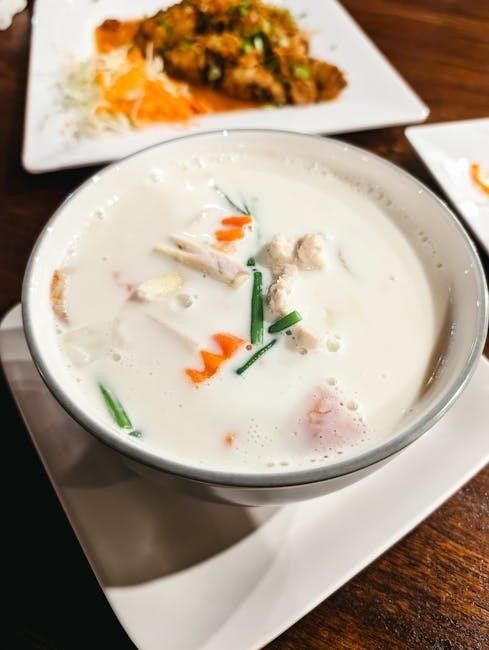
Chicken Soup with Rice: A Comprehensive Overview (as of 03/04/2026)
Chicken Soup with Rice, a charming book by Maurice Sendak, published in 2018, is readily available as a digital PDF.
HarperCollins offers this trade paperback, exploring monthly themes through a delightful story.
Chicken Soup with Rice: A Book of Months, penned and illustrated by the celebrated Maurice Sendak, is a beloved children’s classic. First published decades ago, it continues to enchant young readers with its simple yet captivating narrative. The book uniquely intertwines the comfort of a warm meal – chicken soup with rice – with the progression of the year’s twelve months.
Each month is introduced through a rhyming verse, detailing how the soup and rice experience changes with the seasons. From January’s initial serving to December’s final spoonful, Sendak’s lyrical prose and whimsical illustrations create a cozy and educational experience. A digital PDF version allows for easy access and sharing of this timeless story.
Published by HarperCollins in 2018 as a trade paperback, the book has sold over 50 million copies and been translated into over 40 languages, cementing its place in children’s literature. It’s a gentle introduction to the concept of time and the cyclical nature of the year.
Author Spotlight: Maurice Sendak

Maurice Sendak (1928-2012) was a profoundly influential American illustrator and writer, best known for his children’s books. His work is characterized by its imaginative, often mischievous, and sometimes darkly humorous tone. He didn’t shy away from exploring complex emotions, making his books resonate with both children and adults.
Sendak’s most famous work, Where the Wild Things Are, earned him the 1964 Caldecott Medal. However, his extensive bibliography includes numerous other acclaimed titles, including In the Night Kitchen and, of course, Chicken Soup with Rice. His books have collectively sold over 50 million copies worldwide and have been translated into more than 40 languages.
The accessibility of a PDF version of Chicken Soup with Rice allows a new generation to experience Sendak’s artistry. His unique style, blending playful imagery with thoughtful storytelling, continues to inspire and captivate readers of all ages, solidifying his legacy as a master of children’s literature.
Publication History and Editions
Chicken Soup with Rice: A Book of Months, authored and illustrated by Maurice Sendak, was initially published much earlier, but the trade paperback edition we recognize today was released by HarperCollins in 2018. This edition specifically focuses on presenting the months of the year through a charming narrative centered around a pot of chicken soup and rice.
Prior to this, the book existed in various forms and iterations, reflecting Sendak’s evolving artistic vision. The availability of a PDF version represents a modern adaptation, broadening access to this beloved classic. Digital formats allow for wider distribution and preservation of the work.
While first editions are highly sought after by collectors, the 2018 HarperCollins edition, and its digital PDF counterpart, remain the most commonly encountered versions. These editions maintain the integrity of Sendak’s original illustrations and poetic text, ensuring its continued enjoyment for generations.
Thematic Elements of the Book
Chicken Soup with Rice, available as a PDF and in print, beautifully explores the cyclical nature of time and the comforting rhythm of the seasons. The central theme revolves around the anticipation and experience of each month, linked to the simple pleasure of enjoying chicken soup with rice.
Maurice Sendak masterfully weaves in themes of domesticity, comfort, and the joy found in everyday routines. The recurring motif of the soup represents nourishment, warmth, and a sense of security. The book subtly highlights the passage of time, mirroring a child’s growing awareness of the world around them.

Furthermore, the story subtly touches upon the anticipation of change, as each month brings something new, yet the comforting presence of the soup remains constant. The PDF format allows readers to easily revisit these themes throughout the year, reinforcing the book’s message of cyclical renewal.
Literary Style and Illustrations
Maurice Sendak’s distinctive literary style shines in Chicken Soup with Rice, readily accessible as a PDF. The book is characterized by its simple, yet captivating rhyme scheme and rhythmic prose, making it a delightful read-aloud experience for young children. The language is playful and engaging, perfectly complementing the story’s gentle themes.

Sendak’s illustrations are equally integral to the book’s charm. His signature whimsical style, featuring expressive characters and detailed scenes, brings the story to life. The illustrations are not merely decorative; they enhance the narrative, adding layers of meaning and visual interest.
The PDF version faithfully reproduces these iconic illustrations, allowing readers to fully appreciate Sendak’s artistic talent. The combination of text and imagery creates a cohesive and immersive reading experience, solidifying the book’s place as a beloved classic.
“Chicken Soup with Rice” as a Learning Tool
Chicken Soup with Rice, conveniently available as a PDF, serves as an excellent learning tool for young children. The book’s core structure, revolving around the months of the year, provides a natural and engaging introduction to temporal concepts. Each month is associated with a specific activity related to the soup, reinforcing seasonal awareness.
Beyond time, the book fosters vocabulary development through its repetitive phrases and descriptive language. The simple narrative structure aids in comprehension skills, while the vibrant illustrations stimulate visual learning. Educators and parents can utilize the PDF version for interactive reading sessions, pausing to discuss each month and its associated imagery.
The book’s accessibility as a PDF allows for easy printing of activities and worksheets, further extending its educational value. It’s a delightful way to blend literacy with foundational concepts.
Educational Applications: Months of the Year
Chicken Soup with Rice, easily accessed as a PDF, is exceptionally well-suited for teaching the months of the year. Maurice Sendak’s narrative cleverly integrates each month into a relatable experience – enjoying chicken soup with rice! This provides a memorable context for learning their sequence.
Teachers and parents utilizing the PDF can create month-by-month activities. These could include calendar exercises, seasonal art projects inspired by the book’s illustrations, or even simple cooking demonstrations related to the soup. The repetitive structure of the book reinforces the order of the months, aiding memorization.
The PDF format allows for easy printing of monthly worksheets, focusing on writing the month names, identifying seasonal changes, or drawing pictures representing each month’s activity. It’s a fun, engaging, and effective way to build a foundational understanding of time;
Rhyme and Rhythm in the Story
Chicken Soup with Rice, available as a convenient PDF, is celebrated for its delightful rhyme and rhythm, making it a joy to read aloud. Maurice Sendak masterfully employs a consistent poetic structure throughout the book, enhancing its appeal to young children.

The predictable rhyme scheme aids in phonological awareness and early literacy skills. When using the PDF in an educational setting, educators can emphasize the rhyming words, encouraging children to predict what comes next. This interactive approach fosters engagement and strengthens language development.
The rhythmic cadence of the text creates a musical quality, making it perfect for choral reading or even setting to a simple tune. Accessing the story via PDF allows for easy annotation and highlighting of rhyming pairs, further supporting learning. The book’s lyrical quality truly elevates the reading experience.
Chicken Breeds Mentioned in Related Content
While Chicken Soup with Rice, readily accessible as a PDF, doesn’t directly feature specific chicken breeds, related online content frequently discusses them. Notably, the White Leghorn is often highlighted as a prolific egg layer, a common topic when considering backyard chickens.
Discussions surrounding the book often extend to broader chicken-keeping topics, including breed selection. Choosing the “perfect” breed – whether for eggs, meat, or companionship – is a common theme. The PDF format allows readers to easily link to external resources detailing various breeds and their characteristics.
Information regarding egg color, linked to earlobe color (red for brown eggs, white for white eggs), frequently appears alongside mentions of Maurice Sendak’s book. Exploring these connections enhances understanding of chicken physiology and the origins of our food.
White Leghorn Chickens: Characteristics
The White Leghorn chicken, frequently discussed in content related to Chicken Soup with Rice (often found as a downloadable PDF), is renowned as a highly productive egg layer. These chickens are easily identifiable by their predominantly white plumage and relatively small size.

They are active foragers and generally adaptable to various climates, though they prefer warmer conditions. Leghorns are known for being somewhat flighty and independent, differing from more docile breeds. Their energetic nature contributes to their efficient feed conversion, maximizing egg production.
Interestingly, discussions often link Leghorn egg production to their physiology; a chicken’s heart beats over 300 times a minute, supporting this high output. While the PDF version of the book doesn’t detail breeds, related articles emphasize the Leghorn’s importance in commercial egg farming.
Impact of Breed on Egg Production
Discussions surrounding Chicken Soup with Rice, often accessible as a PDF, indirectly highlight the significance of chicken breeds and their impact on egg yield. While Maurice Sendak’s book focuses on months of the year, related content emphasizes breed-specific egg-laying capabilities.

Notably, chickens with red earlobes typically lay brown eggs, while those with white earlobes produce white eggs – a detail frequently found alongside information about the book. Egg size also correlates with age; older hens lay fewer, but larger, eggs.
Breeds like the White Leghorn are celebrated for prolific egg production, making them a cornerstone of commercial farming. Choosing the right breed is crucial for flock success, influencing both quantity and eggshell color. Understanding these breed characteristics enhances appreciation for the source of ingredients, like eggs, used in a comforting dish like chicken soup.
Chicken Behavior and Facts
While Chicken Soup with Rice, often found as a PDF, centers on a cozy culinary theme by Maurice Sendak, exploring related chicken facts reveals fascinating insights into their behavior. These details add depth to appreciating the source of the soup’s key ingredient.
Chickens possess a surprisingly rapid heartbeat, exceeding 300 beats per minute. Interestingly, they lack the ability to taste sweetness but can detect saltiness. Stress significantly impacts chickens, often leading to feather loss – a visible sign of discomfort.
Furthermore, a chicken’s beak is susceptible to bleeding, highlighting their sensitivity. Debunking common myths is also important; a fresh start to the year often involves reassessing beliefs about these animals. Understanding these nuances enhances our connection to these versatile domesticated creatures.
Chicken Stress and Feather Loss
Though Chicken Soup with Rice, available as a PDF and penned by Maurice Sendak, focuses on a comforting meal, understanding chicken well-being is crucial. A significant indicator of a chicken’s health is feather condition, directly linked to stress levels.
Information reveals that chickens readily lose feathers when experiencing stress. This can stem from various factors, including environmental changes, predator threats, or social disruptions within the flock. Recognizing feather loss as a symptom allows for prompt intervention to mitigate the stressor.
Addressing the root cause of stress – be it overcrowding, inadequate shelter, or bullying – is paramount. Maintaining a calm and secure environment promotes healthy feather growth and overall chicken welfare. It’s a reminder that even the source of a comforting soup deserves compassionate care.

Physiological Characteristics of Chickens
While Chicken Soup with Rice, accessible as a PDF and beautifully illustrated by Maurice Sendak, centers on a culinary delight, understanding the chicken itself is fascinating. Chickens possess unique physiological traits that contribute to their survival and productivity.
Notably, a chicken’s heart beats remarkably fast – exceeding 300 times per minute! This rapid heartbeat supports their high metabolic rate. Interestingly, despite their association with farms and food, chickens lack the ability to taste sweetness, but they can detect saltiness.
Furthermore, their beaks, though seemingly simple, are sensitive structures capable of bleeding if injured. These physiological characteristics highlight the complexity of these often-underappreciated birds, reminding us of the life behind the ingredients in a comforting bowl of soup.
Chicken Myths and Realities
Even while enjoying Maurice Sendak’s Chicken Soup with Rice, available as a PDF, it’s worthwhile to dispel common misconceptions about chickens. Many myths surround these birds, often stemming from a lack of understanding of their behavior and biology.
A prevalent belief suggests earlobe color dictates egg color – red lobes mean brown eggs, while white lobes signify white eggs. While there’s some correlation, it’s not a foolproof rule. Another myth claims chickens are unintelligent; however, they demonstrate problem-solving skills and social complexity.

Furthermore, the idea that chickens are simply “farm animals” overlooks their versatility as companions and pest control agents. As we start a new year, it’s a perfect time to challenge these outdated notions and appreciate chickens for the fascinating creatures they truly are.
The Versatility of Chickens as Domesticated Animals
Beyond the comforting imagery evoked by Maurice Sendak’s Chicken Soup with Rice – easily accessible as a PDF – chickens demonstrate remarkable versatility as domesticated animals. For centuries, they’ve provided humans with essential resources, extending far beyond just meat and eggs.
Chickens serve as invaluable sources of food, offering protein-rich sustenance. However, their contributions don’t stop there. They excel at natural pest control, diligently foraging for insects in gardens and fields. Their manure is a potent fertilizer, enriching soil for agricultural purposes.
Increasingly, chickens are recognized for their companionship, offering entertainment and even emotional support. With a diverse range of breeds, each possessing unique characteristics, they seamlessly integrate into various lifestyles, proving their enduring value to humanity.

Finding the Perfect Backyard Chicken Breed
While Maurice Sendak’s Chicken Soup with Rice, available as a PDF, celebrates the simple joy of chickens, selecting the right breed for your backyard requires careful consideration. The success of your flock hinges on aligning breed characteristics with your specific needs and environment.
Begin by defining your primary purpose: eggs, meat, or dual-purpose. Climate plays a crucial role; some breeds thrive in cold weather, while others prefer warmer temperatures. Assess available space – larger breeds need more room to roam.
Temperament is also key. Some breeds are docile and friendly, ideal for families, while others are more independent. Researching breeds like the White Leghorn, often associated with white eggs, will help you make an informed decision, ensuring a productive and enjoyable chicken-raising experience.