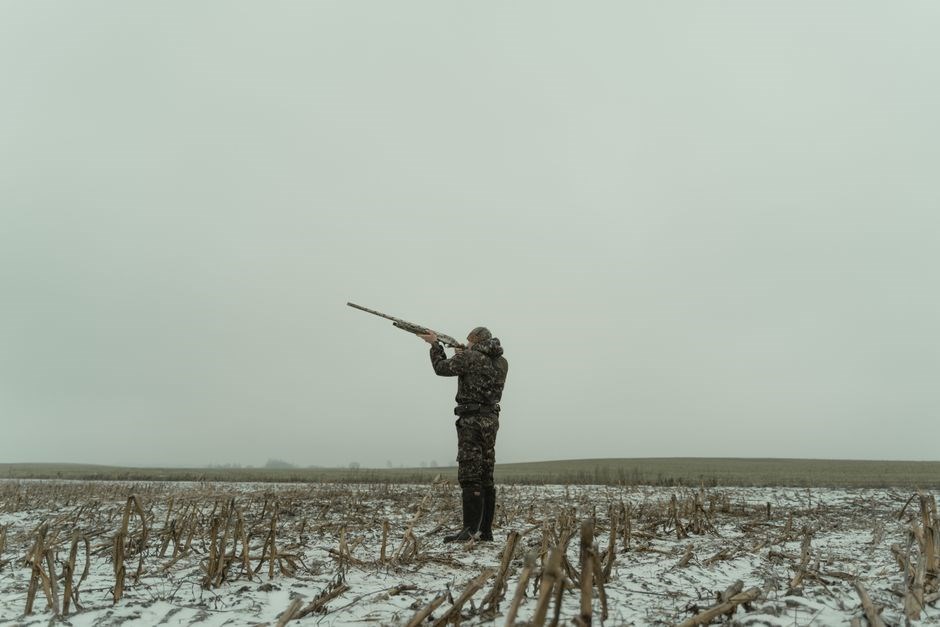
Becoming a hunting guide blends passion for wildlife with business acumen. First‚ gain hands‑on experience in local fields‚ then secure state licenses and complete hunter‑education courses. Finally‚ build credibility through certifications‚ networking‚ and a strong safety record. Continuous learning sharpens!?
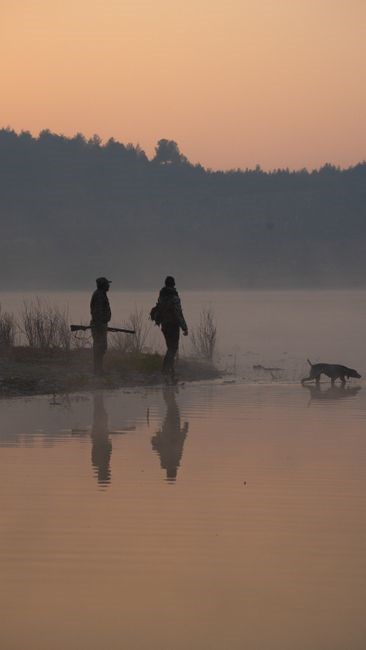
Legal Requirements
State hunting licenses‚ federal permits‚ and local ordinances govern guide duties. Obtain a valid guide license‚ complete hunter‑education‚ and pass background checks. Comply with wildlife agency rules‚ carry liability insurance‚ and follow seasonal restrictions. All rules reviewed. 202
State Hunting Licenses
To legally guide hunters‚ each state requires a specific license that confirms the guide’s knowledge of local wildlife regulations‚ terrain‚ and safety protocols. These licenses typically involve a written exam covering species identification‚ hunting seasons‚ bag limits‚ and the legal use of firearms or bows. In addition‚ guides must demonstrate proficiency in tracking‚ navigation‚ and first‑aid skills through practical assessments. Most states mandate that guides hold a current hunter’s license‚ and many require a separate guide endorsement that can be earned after completing a state‑approved hunter‑education course. The application process often includes a background check‚ proof of liability insurance‚ and a fee that varies by jurisdiction. Some states offer tiered licensing levels—basic‚ advanced‚ and master—each with increasing responsibilities and higher fees. For example‚ in Colorado‚ a guide must pass a 75‑question exam and maintain a minimum of 10 years of hunting experience‚ whereas in Maine‚ the guide endorsement requires a 30‑question test and a demonstration of safe shooting practices. Once issued‚ the license must be renewed annually‚ and guides must stay current with any changes to state regulations‚ such as new protected species or altered hunting seasons. Guides must keep logs of each hunt‚ noting location‚ species‚ and incidents‚ to support the compliance!! By meeting these legal requirements‚ guides not only protect themselves and their clients but also contribute to the sustainable management of wildlife populations.
Federal Regulations
Federal regulations shape the responsibilities of hunting guides‚ especially when operating in national parks‚ wildlife refuges‚ or on federally managed lands. The U.S. Fish and Wildlife Service (USFWS) issues permits that authorize guided hunting on National Wildlife Refuges‚ with strict limits on species‚ bag sizes‚ and seasonal windows. Guides must submit detailed trip plans‚ including routes‚ safety protocols‚ and emergency contact information‚ before receiving approval. The National Park Service (NPS) prohibits hunting in most parks‚ but allows limited guided hunts in specific areas under the National Park Service Hunting Regulations‚ which require guides to hold a valid NPS hunting license‚ complete a NPS safety briefing‚ and adhere to the “no‑take” policy for endangered species. The Bureau of Land Management (BLM) permits guided hunts on public lands‚ but guides must obtain a BLM hunting guide endorsement‚ complete a BLM hunter‑education course‚ and maintain a current BLM hunting license. Federal firearms regulations‚ governed by the Bureau of Alcohol‚ Tobacco‚ Firearms and Explosives (ATF)‚ mandate that guides possess a valid Federal Firearms License (FFL) if they handle firearms on behalf of clients‚ and must comply with the National Firearms Act (NFA) for any short‑barreled or suppressed weapons. Additionally‚ the Endangered Species Act (ESA) requires guides to avoid hunting protected species and to report any incidental captures to the USFWS; The Migratory Bird Treaty Act (MBTA) restricts hunting of migratory birds‚ obliging guides to verify species status and obtain necessary permits. Compliance with these federal statutes not only ensures legal operation but also promotes conservation‚ safety‚ and the long‑term viability of wildlife resources. Failure to adhere can result in fines‚ license revocation‚ and civil or criminal penalties‚ underscoring the importance of rigorous preparation and ongoing education for every professional hunting guide. Guides must stay updated on federal law changes‚ attend refresher courses‚ and keep hunting records audits.
Hunter Education Courses
Education and Training
Earn a bachelor’s in wildlife science‚ complete state hunter‑education‚ and gain field experience. Combine academic knowledge with practical skills to guide responsibly‚ ensuring safety‚ conservation‚ and client satisfaction. Continuous learning sharpens skill and builds trust us.
Wildlife Biology Courses
To build a solid foundation for guiding‚ most aspiring guides pursue formal wildlife biology coursework. These programs‚ offered at community colleges‚ state universities‚ and online platforms‚ cover animal behavior‚ habitat science‚ population dynamics‚ and ecological ethics. A typical curriculum includes:
- Animal Behavior – understanding behavioral cues for hunting and conservation.
- Population Ecology – modeling species abundance and predicting trends.
- Habitat Management – assessing terrain‚ vegetation‚ and water resources.
- Conservation Biology – legal frameworks‚ protected species‚ and sustainable harvest practices.
Graduates often supplement coursework with hands‑on internships‚ research projects‚ or volunteer work in state wildlife agencies. These experiences provide practical skills in tracking‚ data collection‚ and compliance with state regulations. Completing a recognized biology degree not only enhances credibility with clients but also equips guides to interpret ecological data‚ adjust hunting strategies‚ and promote responsible stewardship of natural resources.
Field experience is complemented by continuous education‚ such as advanced courses in wildlife management‚ forensic biology‚ and GIS mapping. These skills enable guides to assess habitat suitability‚ track animal movements‚ and comply with evolving regulations‚ ensuring ethical and profitable hunting operations.
Field Training Programs
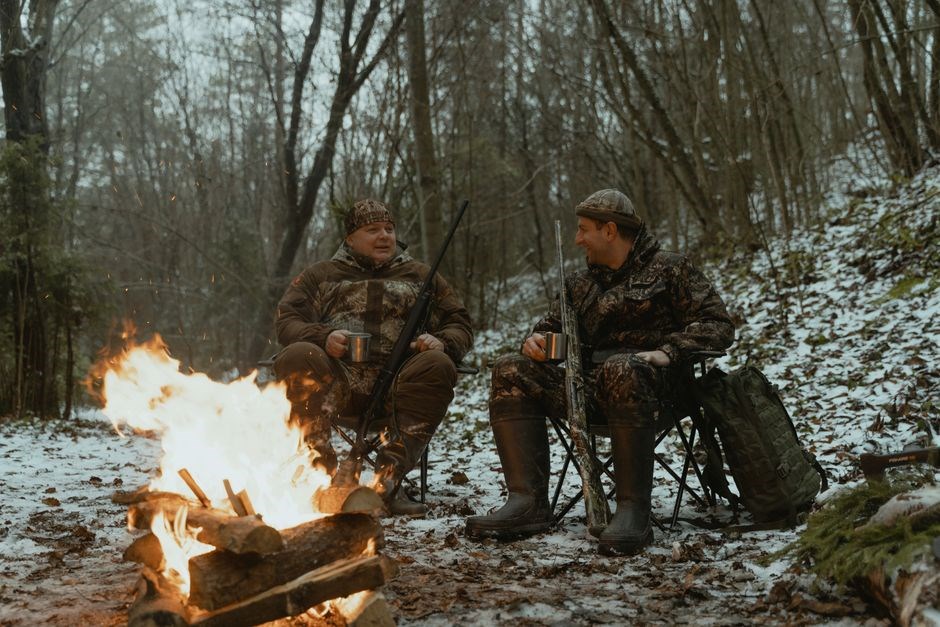
Field training is the practical backbone of a hunting guide’s career. It immerses trainees in the environments where they will later lead clients‚ providing hands‑on experience that cannot be replicated in a lecture hall. Most state‑run programs mandate a minimum of 200 hours of supervised field work‚ during which participants learn to navigate varied terrains‚ track game‚ and enforce safety protocols. The curriculum typically includes terrain analysis‚ animal behavior‚ weather interpretation‚ and the use of modern technology such as GPS‚ thermal imaging‚ and drone reconnaissance. Trainees practice setting up blinds‚ deploying scent‑masking techniques‚ and interpreting subtle cues from wildlife. They also receive instruction on first‑aid‚ emergency response‚ and ethical hunting practices‚ ensuring compliance with state regulations and respect for wildlife. Mentorship is a cornerstone of field training; experienced guides evaluate performance through daily debriefs‚ skill assessments‚ and client feedback. This iterative process sharpens decision‑making‚ communication‚ and leadership skills. Many programs culminate in a certification exam that tests knowledge of local regulations‚ wildlife biology‚ and practical field skills. Successful completion of a field training program demonstrates a guide’s ability to manage risk‚ deliver a superior hunting experience‚ and uphold professional standards. It also opens doors to employment with outfitters‚ state agencies‚ and private enterprises. Ultimately‚ field training equips guides with the confidence and competence to lead clients safely‚ ethically‚ and profitably while fostering stewardship of natural resources. Guides also learn to interpret satellite imagery‚ manage client expectations‚ and conduct post‑hunt debriefs that reinforce learning. They study local ecosystems‚ seasonal migrations‚ and economic impact of sustainable hunting‚ ensuring that every outing contributes to conservation goals.
Certification Exams
Certification exams are the formal gatekeepers that validate a guide’s expertise and adherence to industry standards. Most states administer a tiered examination system‚ beginning with a foundational test covering wildlife biology‚ local regulations‚ and ethical hunting principles; Candidates must demonstrate proficiency in identifying species‚ understanding seasonal patterns‚ and interpreting habitat cues. The second tier focuses on advanced skills‚ such as tactical tracking‚ field marks‚ and the use of technology like GPS mapping and thermal imaging. Examiners assess the ability to design safe hunting itineraries‚ manage client expectations‚ and respond to emergencies. The final tier‚ often a practical assessment‚ requires candidates to lead a mock hunt under supervision‚ showcasing leadership‚ communication‚ and decision‑making in real‑time scenarios. Successful completion of all tiers typically awards a state‑issued guide license‚ which is mandatory for operating as a professional guide. In addition to state exams‚ many regions offer specialized certifications—such as waterfowl‚ big‑game‚ or bow‑hunting credentials—that require additional coursework and field hours. These credentials broaden a guide’s service portfolio and signal a commitment to ongoing education. The examination process is rigorous‚ with a pass rate hovering around 60–70 %. Candidates are encouraged to review state handbooks‚ attend preparatory workshops‚ and engage in peer study groups. Many agencies provide sample questions and practice exams online‚ allowing aspirants to gauge readiness. Importantly‚ certification exams are periodically updated to reflect changes in wildlife management policies‚ emerging safety protocols‚ and technological advancements. Thus‚ maintaining certification often involves continuing education credits‚ ensuring that guides remain current with best practices. Ultimately‚ the certification exam serves as both a quality assurance mechanism for clients and a professional milestone that distinguishes a competent guide in a competitive market. Candidates also learn to interpret satellite imagery.
Skills Development
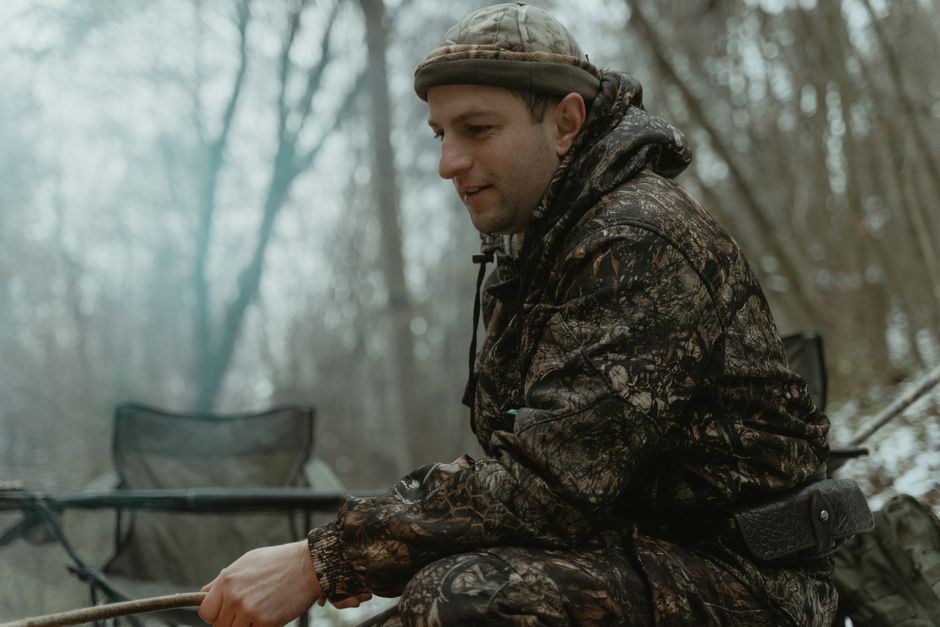
Skill development for a hunting guide blends practical fieldwork‚ safety training‚ and ethical stewardship. Master tracking‚ mark‑setting‚ and first‑aid‚ while learning local regulations and wildlife biology. Continuous learning‚ mentorship‚ and client communication refine expertise.Practice patience respect nature.!
Tracking and Field Marks
Tracking is the cornerstone of any competent hunting guide. It begins with a keen observation of the environment—soil texture‚ vegetation patterns‚ and subtle disturbances that hint at recent animal activity. Field marks‚ such as broken branches‚ displaced leaves‚ or disturbed earth‚ serve as breadcrumbs leading to the animal’s path. A skilled guide learns to differentiate between natural disturbances and those caused by wildlife‚ using tools like a compass‚ GPS‚ and a field notebook to record bearings‚ distances‚ and environmental context. The ability to interpret these signs requires practice‚ patience‚ and a deep understanding of local species’ behavior and seasonal habits. By mastering tracking‚ a guide not only enhances the hunting experience for clients but also promotes responsible stewardship‚ ensuring that wildlife populations remain healthy and ecosystems stay balanced. Continuous study of tracks‚ scat analysis‚ and the use of motion‑sensing cameras can further refine a guide’s expertise‚ making each expedition both thrilling and ethically sound. In addition‚ a guide should routinely review recent field reports‚ consult with local wildlife biologists‚ and participate in workshops that focus on emerging tracking technologies such as drone surveillance and thermal imaging. This continuous learning loop not only sharpens technical skills but also reinforces a culture of conservation‚ ensuring that each hunt contributes positively to the long‑term health of the ecosystem while providing unforgettable experiences for clients.
Safety and First Aid
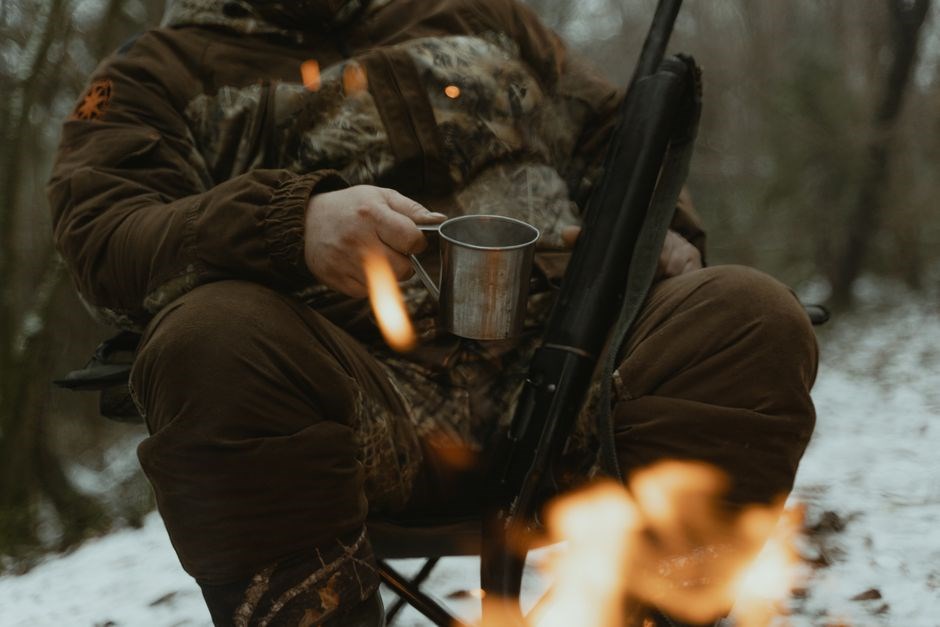
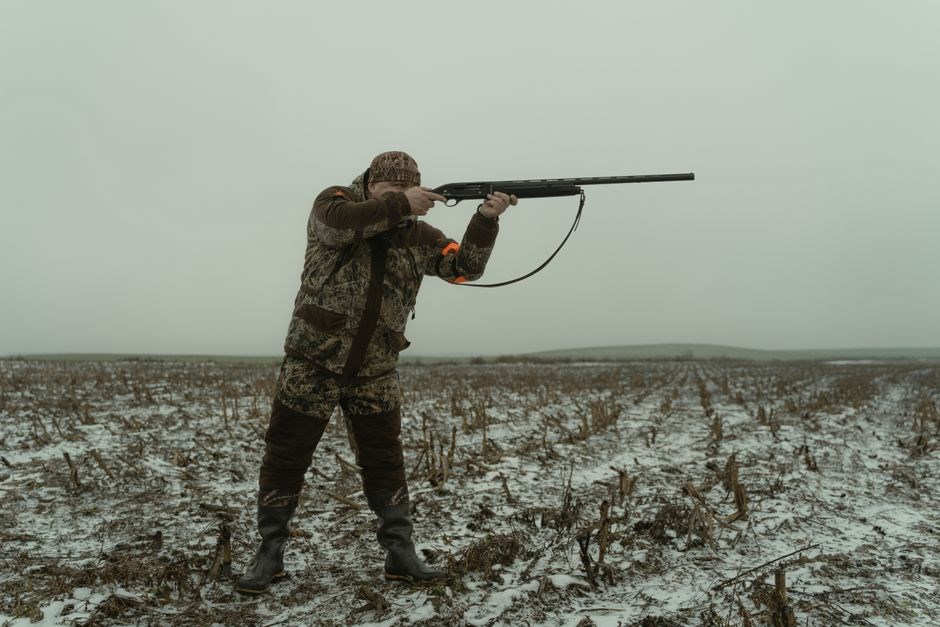
Every hunting guide must prioritize safety‚ both for themselves and their clients. The first step is to carry a comprehensive first‑aid kit that includes bandages‚ antiseptic wipes‚ tourniquets‚ splints‚ and emergency medication such as epinephrine auto‑injectors. Familiarity with the kit’s contents and quick‑action drills ensures that injuries—whether a sprained ankle‚ a cut from a splinter‚ or a more serious gunshot wound—are treated promptly and effectively. In addition to medical preparedness‚ guides should conduct a pre‑trip safety briefing that covers weather hazards‚ wildlife encounter protocols‚ and navigation rules. This briefing should also emphasize the importance of maintaining situational awareness‚ using proper communication devices‚ and following established emergency evacuation routes.
Training in wilderness first aid and CPR is essential; many state agencies offer certification courses that cover shock management‚ airway maintenance‚ and splinting techniques.
Guides should also be prepared to use emergency locator beacons and satellite phones‚ which can transmit distress signals when conventional networks fail.
Regular drills‚ such as simulated medical emergencies in remote settings‚ help reinforce muscle memory and reduce response times.
Finally‚ maintaining a log of all incidents and reviewing them post‑trip ensures continuous improvement and keeps safety protocols evolving with emerging risks.
Consistent practice‚ peer reviews‚ and community engagement reinforce a guide’s expertise‚ fostering trust and a reputation for responsible stewardship that attracts discerning clients seeking authentic‚ ethical adventures. and continuous learning.!
Hunting Ethics and Conservation
Responsible hunting guides uphold ethical standards that balance sport with stewardship. First‚ they enforce “fair chase” principles‚ ensuring that game is pursued with skill‚ patience‚ and respect for natural behavior. This includes respecting seasonal limits‚ bag limits‚ and area restrictions set by wildlife agencies.
Second‚ guides are trained to use appropriate firearms‚ bows‚ or traps that guarantee a quick‚ painless kill. Proper shot placement‚ immediate field dressing‚ and rapid transport to processing sites reduce animal suffering and preserve meat quality.
Third‚ conservation education is integral. Guides share knowledge about habitat preservation‚ predator‑prey dynamics‚ and the role of regulated hunting in population control. They encourage clients to support conservation funding through license fees‚ land stewardship programs‚ and wildlife research initiatives.
Fourth‚ environmental stewardship is practiced by minimizing trail erosion‚ avoiding vegetation damage‚ and adhering to Leave No Trace principles. Guides enforce strict waste management‚ ensuring that all trash‚ food scraps‚ and human waste are removed from the field.
Finally‚ ethical guides maintain transparency with clients‚ providing clear information about hunting regulations‚ safety protocols‚ and the ecological impact of each hunt. By fostering respect for wildlife and the environment‚ they help sustain healthy ecosystems for future generations. Their commitment ensures hunting remains eco and for people and wildlife.
Business and Networking
Build a strong brand by showcasing expertise‚ safety records‚ and client testimonials. Use local tourism boards‚ wildlife agencies‚ and online forums to network. Offer workshops‚ partner with outfitters‚ and maintain a professional website with booking tools and clear liability insurance info. and satisfaction.
Marketing‚ Client Management‚ and Insurance
Effective marketing for a hunting guide begins with a clear brand narrative that highlights safety‚ expertise‚ and respect for wildlife. Use a professional website with high‑resolution photos‚ client reviews‚ and a blog that shares seasonal tips. Leverage social media platforms—Instagram for visual storytelling‚ Facebook for community engagement‚ and LinkedIn for industry credibility. Email newsletters featuring upcoming trips‚ gear recommendations‚ and conservation news keep past clients returning. Search‑engine optimization (SEO) and local listings on Google My Business boost visibility for “hunting guide near me.” Client management is the backbone of repeat business. Implement a user‑friendly booking system that tracks reservations‚ payment status‚ and client preferences. Offer personalized itineraries‚ pre‑trip safety briefings‚ and post‑trip follow‑ups to gather feedback. Maintain a CRM database to segment clients by experience level‚ preferred species‚ and travel dates. This data informs targeted promotions and ensures that each client feels valued and understood. Insurance is non‑negotiable. General liability coverage protects against accidental injuries on the trail. Additional endorsements—such as equipment loss‚ trip cancellation‚ and medical evacuation—cover unforeseen events. Verify that all staff and volunteers hold valid first‑aid and wilderness survival certifications. Regularly review policy limits‚ deductibles‚ and exclusions to match the evolving scope of your operations. A robust insurance portfolio not only safeguards your business but also builds trust with clients who expect professional protection. Your reputation grows when clients trust your expertise today.
To stand out‚ create themed hunting packages—such as seasonal elk hunts‚ winter deer expeditions‚ or guided bird‑watching safaris that showcase your local knowledge. Offer value‑added services like GPS mapping‚ gear rentals‚ and post‑trip photo packages. Maintain an active blog with safety tips‚ wildlife updates‚ and client stories to reinforce credibility and attract repeat bookings