
Fire Lite MS-4 Manual: A Comprehensive Guide
This manual details the Fire Lite MS-4 system, offering guidance on installation, programming, operation, and troubleshooting for optimal fire safety and system performance.
The Fire Lite MS-4 represents a cornerstone in modern fire alarm control panel technology, designed for reliability and ease of use in a diverse range of applications. This manual serves as a comprehensive resource for anyone involved with the system – from certified fire alarm technicians responsible for installation and maintenance, to building owners and safety personnel requiring operational understanding.
Understanding the MS-4’s capabilities is crucial for ensuring effective fire detection and life safety. This introduction will briefly outline the system’s core functions and intended use, setting the stage for detailed exploration of its components, programming features, and operational procedures. The MS-4 is engineered to provide robust protection, adhering to stringent industry standards and offering flexible configuration options to meet specific site requirements. Proper installation and adherence to the guidelines within this manual are paramount for optimal performance and compliance.
What is the Fire Lite MS-4?
The Fire Lite MS-4 is a fully programmable, addressable fire alarm control panel (FACP) designed to provide comprehensive fire detection and notification. It’s a versatile system suitable for a wide array of occupancies, including commercial buildings, schools, healthcare facilities, and industrial complexes. The MS-4 offers a scalable solution, supporting a significant number of initiating devices and notification appliances.
At its core, the MS-4 continuously monitors connected detection circuits for signals indicating fire, smoke, or other emergency conditions. Upon detection, the panel initiates pre-programmed responses, such as activating audible and visual alarms, notifying emergency services, and controlling ancillary systems like door release mechanisms. Its addressable architecture allows for precise identification of the location of an alarm event, facilitating rapid response and minimizing disruption. The MS-4 prioritizes life safety through reliable performance and advanced features.
Key Features and Benefits
The Fire Lite MS-4 boasts several key features enhancing fire safety and system management. These include a user-friendly interface for easy programming and operation, a high-speed data bus for reliable communication with devices, and extensive event logging for detailed historical records. Its flexible zoning capabilities allow for customized alarm responses based on specific areas within a facility.
Benefits include increased reliability, reduced false alarms through advanced detection algorithms, and simplified maintenance due to its modular design. The MS-4’s scalability ensures it can adapt to changing needs, minimizing future upgrade costs. Furthermore, its compatibility with a broad range of detectors and notification appliances provides installation flexibility. Ultimately, the MS-4 delivers peace of mind by providing a robust and dependable fire protection solution.

System Components
The Fire Lite MS-4 system comprises a control panel, diverse detectors, notification appliances, and an auxiliary power supply, working together for comprehensive fire protection.
Control Panel Overview
The Fire Lite MS-4 control panel serves as the central hub for the entire fire alarm system, diligently monitoring all connected devices and initiating appropriate responses upon detecting a fire or system fault. This panel boasts a user-friendly interface, typically featuring an LCD display and intuitive controls for easy navigation and programming. It supports multiple zones, allowing for precise identification of alarm locations within a facility.
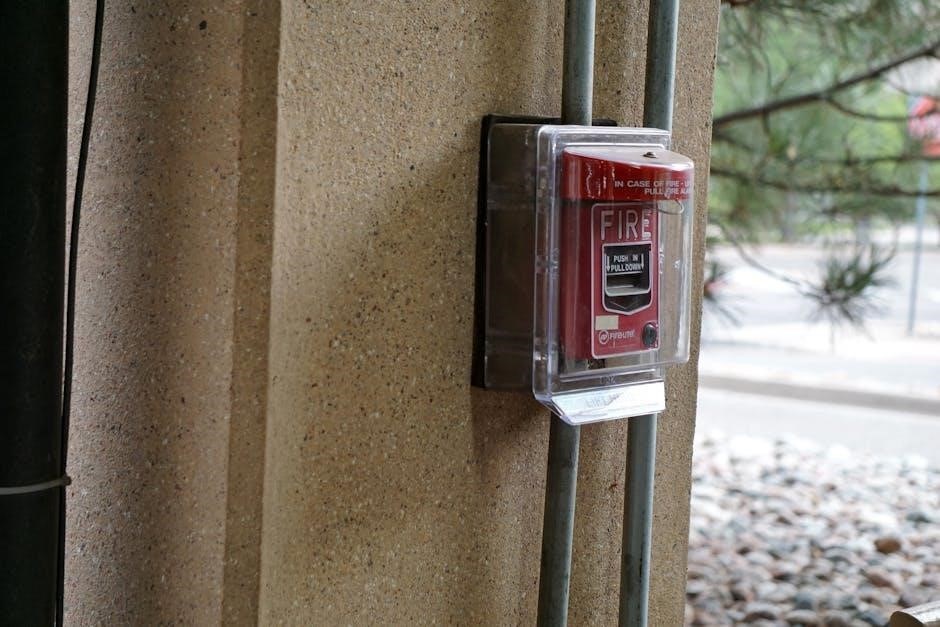
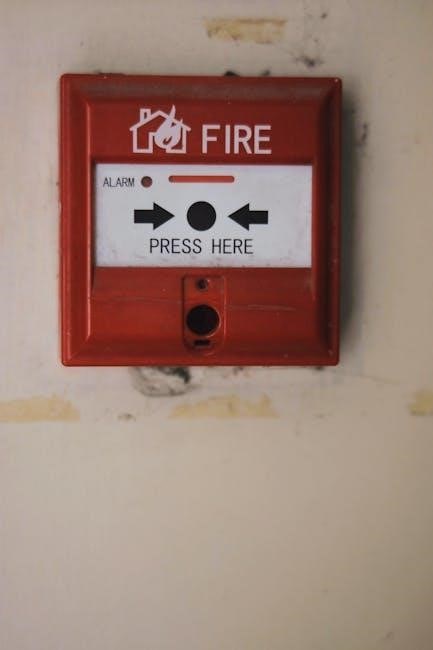
Key features include the ability to monitor initiating devices such as smoke detectors, heat detectors, and pull stations, as well as control notification appliances like horns, strobes, and speakers. The panel also provides comprehensive system status information, including alarm, trouble, and supervisory conditions. Furthermore, it incorporates battery backup to ensure continued operation during power outages, and often includes provisions for remote communication and system diagnostics. Proper understanding of the control panel’s layout and functionality is crucial for effective system management and maintenance.
Detector Types Supported
The Fire Lite MS-4 control panel demonstrates versatility by supporting a wide array of detection technologies, catering to diverse environmental needs and hazard levels. Commonly supported detectors include photoelectric smoke detectors, ideal for detecting smoldering fires, and ionization smoke detectors, more sensitive to fast-flaming fires. Heat detectors, available in fixed-temperature and rate-of-rise models, are suitable for areas prone to false alarms from smoke.
Furthermore, the MS-4 accommodates duct smoke detectors for monitoring air handling systems, and flame detectors for rapid detection of open flames. Combination smoke and carbon monoxide detectors are also often compatible, enhancing safety by addressing multiple threats. Compatibility extends to addressable and conventional detectors, offering flexibility in system design. Proper detector selection and placement are critical for optimal performance and minimizing nuisance alarms, ensuring reliable fire detection throughout the protected premises.
Notification Appliance Circuits (NACs)
The Fire Lite MS-4 control panel features multiple Notification Appliance Circuits (NACs) designed to effectively alert occupants during a fire event. These NACs support a variety of notification appliances, including horns, strobes, and combination horn/strobe devices, allowing for customized evacuation signaling. The system typically supports both Standard (FSK) and High Power (HP) NAC configurations, offering flexibility in device selection and wiring.
NAC programming allows for independent control of each circuit, enabling phased evacuation strategies or distinct signaling for different areas. The MS-4 supports synchronization of strobes to meet ADA requirements, ensuring visibility for individuals with hearing impairments. Proper NAC loading calculations are crucial to ensure adequate power delivery to all devices. Careful consideration of wiring methods and device placement maximizes audibility and visibility, contributing to a safe and orderly evacuation process.
Auxiliary Power Supply
The Fire Lite MS-4 control panel relies on a robust auxiliary power supply to ensure continuous operation during primary power outages. This system typically incorporates a sealed lead-acid battery (or batteries) that automatically assumes power when AC power is lost. Regular testing of the battery backup is critical to verify its ability to sustain the system during an extended power failure.
The auxiliary power supply provides power to the control panel, notification appliance circuits, and initiating device circuits, maintaining fire detection and alarm signaling capabilities. Proper battery sizing is essential, based on the system’s load requirements and desired runtime. The MS-4 often includes features for monitoring battery health, providing alerts for low voltage or charging faults. Maintaining a fully charged and functional auxiliary power supply is paramount for reliable fire protection.
Installation and Wiring
Proper installation and wiring are crucial for the Fire Lite MS-4’s reliable operation, adhering to all local codes and the manufacturer’s guidelines for safety.
Mounting the Control Panel
Selecting a suitable location is paramount when mounting the Fire Lite MS-4 control panel. Choose a readily accessible, yet secure, indoor location protected from physical damage and environmental factors like excessive humidity or temperature fluctuations. The panel should be mounted on a flat, solid surface capable of supporting its weight, utilizing appropriate mounting hardware – screws and anchors – suitable for the wall construction.
Ensure adequate space around the panel for wiring connections and future maintenance. Maintain the minimum clearances specified in the installation instructions to facilitate proper ventilation and prevent overheating. Before commencing the mounting process, verify that the mounting surface is free from obstructions and that all necessary wiring pathways are accessible. Proper grounding is essential; connect the panel’s ground terminal to a verified earth ground to ensure system reliability and personnel safety.
Double-check all mounting points for secure attachment before proceeding with wiring. A firmly mounted panel minimizes the risk of damage during operation or maintenance, contributing to the overall longevity and dependability of the fire alarm system.
Wiring Diagrams for Common Configurations
The Fire Lite MS-4 offers versatile configurations, and understanding the wiring diagrams is crucial for correct installation. Common setups include single-panel systems, networked systems, and configurations with remote annunciators. Diagrams detail Initiating Device Circuit (IDC) wiring, connecting detectors and pull stations, and Notification Appliance Circuit (NAC) wiring, powering horns, strobes, and speakers.
Refer to the detailed diagrams provided in the appendix for specific wiring instructions based on your system’s design. These diagrams illustrate proper wiring techniques, including end-of-line resistor values, wiring polarity, and acceptable wire gauges. Always adhere to local electrical codes and regulations when performing wiring. Incorrect wiring can lead to system malfunctions or false alarms.
Pay close attention to the diagrams illustrating auxiliary power connections, ensuring proper voltage and polarity. Utilizing the correct wiring methods and components guarantees a reliable and functional fire alarm system, safeguarding lives and property.
Initiating Device Circuit (IDC) Wiring
Proper Initiating Device Circuit (IDC) wiring is fundamental to the Fire Lite MS-4’s reliability. Each IDC connects initiating devices – smoke detectors, heat detectors, pull stations, and waterflow switches – back to the control panel. Wiring requires a dedicated pair of wires for each device, typically utilizing a Class A or Style B wiring configuration, as dictated by NFPA 72.
Crucially, each IDC must include an End-of-Line (EOL) resistor. The resistor value depends on the number of devices on the loop and the panel’s configuration. Incorrect resistor values can cause trouble signals or prevent proper alarm verification. Diagrams illustrate correct EOL resistor placement and value selection.
Ensure all connections are secure and wires are appropriately sized according to the distance and local electrical codes. Supervision of the IDC is vital; any open or short circuit conditions should immediately trigger a trouble signal at the panel, indicating a wiring fault requiring attention.
NAC Device Wiring
Notification Appliance Circuit (NAC) wiring on the Fire Lite MS-4 system powers audible and visual notification devices – horns, strobes, and speakers – alerting occupants during an alarm. NACs utilize a Class A wiring scheme, requiring a dedicated pair of wires for each NAC zone; Polarity is critical; incorrect wiring can prevent devices from activating or cause unintended operation.
NAC devices are typically wired in a loop, with the first and last devices connected back to the control panel; The total wire length and the number of devices per NAC are limited by the panel’s specifications and local codes. Proper wire gauge is essential to minimize voltage drop and ensure reliable operation of all devices.
Supervision of the NAC is maintained by the control panel, detecting open or short circuit conditions. Any fault triggers a trouble signal, indicating a wiring issue. Careful attention to wiring practices and adherence to NFPA 72 standards are paramount for a functioning fire alarm system.

Programming and Configuration

The Fire Lite MS-4 offers flexible programming for zones, sensitivity, and system features, ensuring tailored fire protection and reliable operation through intuitive settings.
Entering Programming Mode
Accessing the programming mode on the Fire Lite MS-4 requires a specific sequence to prevent accidental changes to the system’s configuration. Typically, this involves using the keypad and entering a designated master code. The default code is often 1234, but it’s crucial to verify or change this code immediately upon initial setup for security reasons.
To initiate programming, press the “Enter” or “Program” key (refer to the panel’s specific labeling) and then input the valid master code. A successful entry will be indicated by a change in the display, often showing a “Program” or “Configuration” prompt. If an incorrect code is entered multiple times, the system may lock out programming access for a defined period, requiring a reset procedure.
Always consult the complete Fire Lite MS-4 manual for the precise steps and any variations based on the panel’s firmware version. Incorrectly entering programming mode can disrupt system functionality, so careful adherence to the documented procedure is essential.
Zone Programming
Zone programming within the Fire Lite MS-4 defines how each detection zone is treated during an alarm event. This includes assigning zone descriptions (e.g., “North Wing Lobby,” “Server Room”), setting zone sensitivity levels, and configuring alarm relays associated with each zone. Proper zone programming is vital for accurate alarm identification and efficient response.
Through the programming interface, you can specify whether a zone is normally open or normally closed, influencing how initiating device signals are interpreted. Additionally, you can enable or disable cross-zoning features, requiring multiple zones to activate simultaneously before triggering a general alarm.
Carefully consider the building layout and potential fire scenarios when configuring zones. Detailed zone programming ensures the system provides meaningful information during an emergency, facilitating a targeted and effective response. Refer to the manual for specific code options and programming sequences.
Sensitivity Adjustments
Adjusting detector sensitivity on the Fire Lite MS-4 is crucial for minimizing false alarms while ensuring reliable fire detection. The system allows for customized sensitivity levels for each zone, accommodating varying environmental conditions and potential sources of interference. Higher sensitivity settings increase the likelihood of detecting small smoke particles, but also raise the risk of nuisance alarms.
Lowering sensitivity reduces the chance of false alarms caused by dust, steam, or cooking fumes, but may delay detection of a genuine fire. The MS-4 offers multiple sensitivity levels, often expressed numerically or as “low,” “medium,” and “high.”
Careful consideration of the environment and regular walk tests are essential when determining optimal sensitivity settings. Document all adjustments for future reference and compliance with fire safety regulations. Incorrect sensitivity settings can compromise system effectiveness.
Walk Test Mode
The Fire Lite MS-4’s Walk Test Mode is a vital feature for verifying proper detector functionality and system communication. Initiated through programming, this mode allows technicians to individually test each detector without triggering a full alarm. During a walk test, activating a detector will display its zone number on the control panel, confirming its connection and responsiveness.
This process helps identify faulty detectors or wiring issues before they compromise system reliability. It’s crucial to perform walk tests after installation, maintenance, or any system modifications.
Proper documentation of walk test results is essential for maintaining accurate records and demonstrating compliance with fire safety standards. Remember to disable Walk Test Mode upon completion to restore normal system operation and alarm capabilities.

Operation and Troubleshooting
This section covers the Fire Lite MS-4’s daily operation, alarm responses, common issue resolution, and essential battery backup system checks for sustained reliability.
Normal System Operation
During typical operation, the Fire Lite MS-4 control panel continuously monitors all connected initiating devices – smoke detectors, heat detectors, pull stations, and waterflow switches – for any signs of activation. A green “System Normal” LED indicator confirms that the panel is powered, all circuits are intact, and no alarms or troubles exist.
The system performs periodic self-diagnostics, checking the integrity of wiring and device functionality. Any detected faults will trigger a “Trouble” condition, indicated by a yellow LED and potentially an audible signal (depending on configuration). Regular walk tests, as outlined in the programming section, are crucial to verify detector sensitivity and communication pathways.
The panel’s microprocessor diligently processes incoming signals, differentiating between alarm, trouble, and supervisory conditions. It’s essential to understand that a “Supervisory” condition indicates a potential issue requiring attention, but doesn’t necessarily signify an immediate emergency, such as a low battery in a detector.
Alarm Indication and Response
Upon detecting an alarm condition, the Fire Lite MS-4 initiates a pre-programmed sequence of events. A red “Alarm” LED illuminates, and audible notification appliances – horns, strobes, or speakers – activate, alerting occupants to a potential fire. The panel displays the zone or specific device initiating the alarm, providing critical location information.
The system’s response is configurable; it can immediately activate all notification appliances, or implement a phased evacuation strategy. Simultaneously, the panel may automatically notify a central monitoring station via a connected communication module. Personnel at the monitoring station will then verify the alarm and dispatch emergency services if necessary.
It’s crucial to understand the building’s evacuation plan and respond accordingly. Silence the alarm only after verifying the situation is safe or directed by emergency personnel. Detailed alarm and event logs are stored within the panel’s memory for post-incident analysis.
Troubleshooting Common Issues
Common issues with the Fire Lite MS-4 often involve ground faults, low battery conditions, or communication failures. A “Trouble” LED indicates a non-life-threatening system malfunction. Check wiring for shorts or opens, particularly in initiating device circuits (IDCs). Verify battery voltage and connections; a failing battery can cause intermittent problems.
Communication issues with a central station can stem from a disconnected phone line or a misconfigured communication module. Ensure the module is properly programmed with the correct account information. False alarms frequently result from dust or insects within detectors; regular cleaning is essential.
If the panel displays a zone-specific trouble, inspect the devices within that zone. Refer to the event log for detailed error messages. If problems persist, consult a qualified fire alarm technician for professional assistance and avoid attempting repairs beyond your expertise.
Battery Backup System Checks
Regular battery checks are crucial for the Fire Lite MS-4’s reliability. The system should automatically switch to battery power during outages, ensuring uninterrupted fire protection. Perform a monthly visual inspection of the batteries for any signs of corrosion, swelling, or leakage. A yearly load test, conducted by a qualified technician, verifies the battery’s capacity to sustain the system for the required duration – typically 24 hours.
The control panel displays battery status; investigate any “Low Battery” or “Battery Fault” indications immediately. Ensure the charger is functioning correctly and providing the appropriate charging voltage. Document all battery tests and maintenance activities in the system’s log.
Proper battery maintenance extends its lifespan and guarantees dependable operation during power failures. Replace batteries proactively based on manufacturer recommendations or test results, avoiding unexpected system downtime.
Advanced Features
The Fire Lite MS-4 offers remote access, system integration capabilities, detailed event logging, and convenient firmware updates for enhanced control and functionality.
Remote Access and Control
The Fire Lite MS-4 system facilitates remote access and control through compatible communication modules, enabling authorized personnel to monitor system status and acknowledge alarms from off-site locations. This capability significantly enhances response times and provides a centralized management point for multiple facilities. Utilizing secure network connections, users can view zone status, silence alarms, and even initiate system tests remotely.
Integration with building management systems (BMS) is also possible, allowing for coordinated responses to fire events and streamlined facility operations. Remote diagnostics and troubleshooting further reduce maintenance costs and downtime. Access levels can be customized to ensure only authorized individuals have control over critical system functions, maintaining a high level of security and preventing unauthorized modifications. Detailed audit trails track all remote access activity for accountability and compliance purposes.
Integration with Other Systems
The Fire Lite MS-4 control panel offers versatile integration capabilities with a wide range of building systems, enhancing overall safety and operational efficiency. Seamless connectivity with access control systems allows for automatic door unlocking during fire events, facilitating swift and safe evacuation. Integration with HVAC systems enables automatic shutdown of air handling units to prevent smoke spread.
Furthermore, the MS-4 can interface with mass notification systems, broadcasting pre-recorded voice messages or live announcements to alert occupants. Compatibility with elevator control systems allows for automatic recall to the ground floor during emergencies. These integrations are typically achieved through relay outputs and industry-standard communication protocols, ensuring reliable and secure data exchange. Proper configuration and testing are crucial to guarantee coordinated operation between the fire alarm system and other connected systems.
Event Logging and Reporting
The Fire Lite MS-4 control panel features a robust event logging system, meticulously recording all system activities for comprehensive analysis and documentation. This includes alarm activations, trouble conditions, supervisory signals, and user interactions. The detailed logs provide a chronological history of events, aiding in troubleshooting and identifying potential issues.
Reporting capabilities allow for easy retrieval and analysis of logged data, often through a user-friendly interface or downloadable reports. These reports can be customized to include specific event types and timeframes. The MS-4’s event logging is invaluable for post-incident investigations, compliance reporting, and preventative maintenance. Regular review of event logs is recommended to ensure optimal system performance and identify any recurring problems that require attention.
Firmware Updates
Maintaining the Fire Lite MS-4 control panel with the latest firmware is crucial for optimal performance, security enhancements, and access to new features. Firmware updates address potential vulnerabilities, improve system stability, and ensure compatibility with evolving fire safety standards. These updates are typically available for download from the manufacturer’s website or through authorized distributors.

The update process usually involves transferring the new firmware file to the control panel via a USB drive or a direct connection. It is essential to follow the manufacturer’s instructions carefully during the update process to avoid damaging the system. A stable power supply is vital during the update to prevent interruptions. Regularly checking for firmware updates ensures your MS-4 system remains current and reliable, providing continued protection and functionality.