
Navigating the Heartland: This guide prepares you for resilience across twelve states, from Great Lakes to Plains, embracing a region steeped in history and resourcefulness.
Understanding the Midwestern Landscape
A Diverse Terrain: The Midwestern landscape is remarkably diverse, stretching across a vast expanse from the Great Lakes to the Great Plains. This isn’t a monolithic environment; it’s a tapestry woven with fertile plains, rolling hills, dense forests, and expansive waterways. Historically, the region’s character was forged where “steel met soil,” representing a blend of industrial power and agricultural abundance.
Geographical Features: Expect to encounter significant variations in elevation and terrain. The eastern Midwest features more forested areas and rolling hills, while the western portions transition into the flat, expansive prairies. Major river systems, like the Mississippi and Missouri, are crucial geographical features, influencing both transportation and resource availability. Understanding these nuances is paramount for effective survival planning.
Resource Richness: The Midwest boasts rich natural resources, including coal, iron, and timber, contributing to its historical role as a center for heavy industry. This resource base, coupled with fertile land, continues to shape the region’s economy and survival potential.
Defining the Midwest: Geographical Boundaries
The Twelve-State Region: Officially, the Midwest encompasses twelve states in the north-central United States. These are Illinois, Indiana, Iowa, Kansas, Michigan, Minnesota, Missouri, Nebraska, North Dakota, Ohio, South Dakota, and Wisconsin. However, the definition has evolved historically.
Historical Shifts: In the 1800s, the “mid-west” initially referred to Ohio, Indiana, and Illinois – the western middle of the country at that time. As the United States expanded westward, the geographical center shifted, but the name persisted. This illustrates a cultural, rather than strictly geographical, identity.
Regional Markers: Generally, the Midwest is considered to lie midway between the Appalachian Mountains and the Rocky Mountains, and north of the Ohio River and the 37th parallel. These boundaries aren’t rigid, and perceptions can vary, but they provide a useful framework for understanding the region’s scope and characteristics.

Historical Context: The Evolution of “Midwest”
From Frontier to Heartland: The term “Midwest” isn’t static; its meaning has dramatically shifted with American expansion. Initially, in the 19th century, it designated states like Ohio, Indiana, and Illinois – the “western middle” of the nation at the time; This region represented the frontier, a gateway to opportunity.
Westward Expansion’s Impact: As the United States pushed westward, the geographical center of the country moved, leaving the original “Midwest” states no longer on the western edge. Despite this, the name endured, becoming more of a cultural and historical designation than a precise location.
Forging American Character: The Midwest became a crucible for American ideals, a place where steel met soil, and political philosophies were shaped. Its fertile plains and industrial heritage earned it the nickname “America’s Heartland,” reflecting its vital role in the nation’s development and identity.
Midwestern Climate & Seasonal Challenges
A Land of Extremes: The Midwest presents unique survival challenges due to its highly variable climate. Expect dramatic seasonal shifts, ranging from scorching summers to brutally cold winters. Understanding these patterns is crucial for preparedness.
The Four Seasons’ Fury: The region is prone to extreme weather events. Tornadoes are a significant threat, particularly in the spring and summer. Blizzards and severe winter storms bring hazardous conditions, including heavy snowfall and frigid temperatures. Furthermore, spring often brings widespread flooding due to snowmelt and heavy rainfall.
Adaptation is Key: Successful survival in the Midwest demands adaptability. Preparing for each season’s specific dangers – securing shelter, stockpiling supplies, and staying informed about weather forecasts – is paramount to navigating this dynamic environment.
Extreme Weather Events: Tornadoes
The Twister Threat: The Midwest lies within “Tornado Alley,” experiencing a disproportionately high number of these violent storms, particularly during spring and summer months. Understanding tornado formation and behavior is vital for survival.
Preparation & Awareness: A NOAA Weather Radio is essential for receiving alerts. Identify a safe room – a basement, storm cellar, or interior room on the lowest level of a sturdy building. Practice tornado drills with your family. Knowing the difference between a tornado watch (conditions are favorable) and a warning (a tornado has been sighted) is critical.
During a Tornado: Seek shelter immediately. Protect your head and neck. If outdoors, lie flat in a ditch or low-lying area, covering your head. Post-tornado, be cautious of debris and downed power lines. Remain informed and follow official guidance.
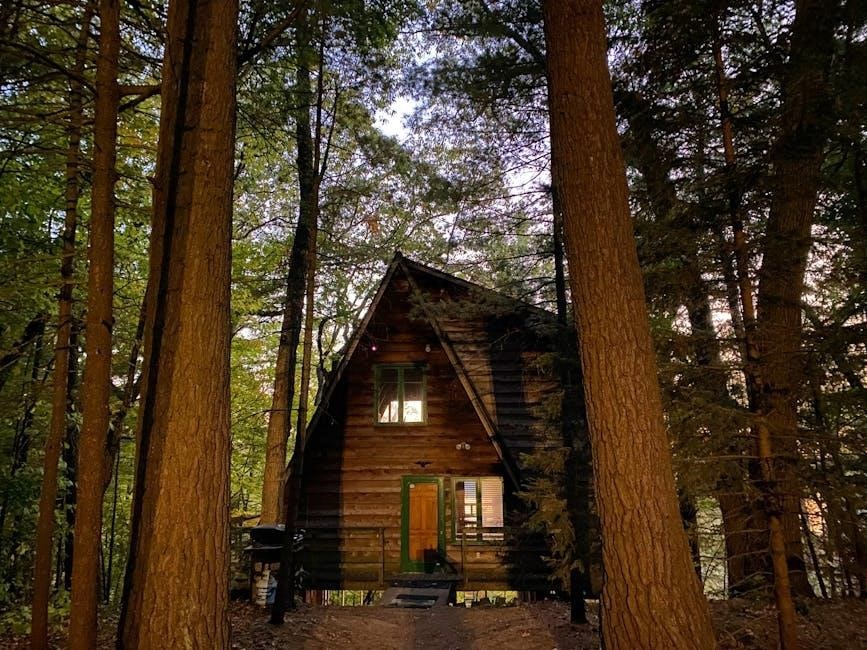
Extreme Weather Events: Blizzards & Winter Storms
The Frozen Midwest: Harsh winters are a defining characteristic of the Midwest, bringing blizzards, heavy snowfall, and dangerously low temperatures. Preparation is paramount to surviving these conditions, which can isolate communities and create life-threatening situations.
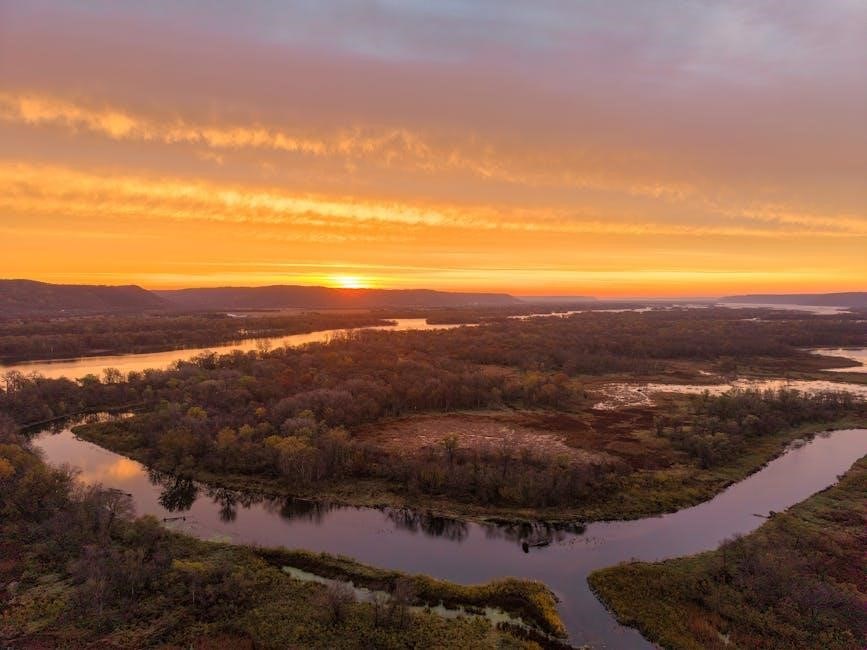
Winter Preparedness: Stockpile ample food, water, and essential supplies. Ensure your home is adequately insulated. Have alternative heating sources available, along with proper ventilation. A well-maintained vehicle with winter tires, a snow shovel, and an emergency kit are crucial for travel.
During a Blizzard: Stay indoors. Dress in layers to conserve body heat. Be aware of the risk of hypothermia and frostbite. If you must venture out, travel with a companion and inform someone of your route and expected return time. Monitor weather updates frequently.
Extreme Weather Events: Flooding
Rising Waters: The Midwest’s flat terrain and extensive river systems make it particularly vulnerable to flooding, especially during spring thaw and periods of heavy rainfall. Flash floods can occur rapidly, posing a significant threat to life and property.
Flood Preparedness: Understand your local flood risk and heed evacuation orders. Elevate valuable belongings and essential utilities. Have sandbags readily available to protect your home. Ensure you have a designated evacuation route and a communication plan with family members.
During a Flood: Never drive or walk through floodwaters – even six inches can knock you off your feet. Turn off utilities if instructed by authorities. Seek higher ground immediately. Monitor weather reports and emergency broadcasts for updates and instructions.
Essential Survival Skills for the Midwest
Heartland Resilience: Surviving in the Midwest demands a unique skillset, blending wilderness knowledge with practical urban preparedness. The region’s diverse environments – from sprawling plains to dense forests and bustling cities – necessitate adaptability.
Core Competencies: Mastering fire-starting techniques is crucial for warmth, cooking, and signaling. Water procurement and purification skills are vital, given potential contamination. Navigation, utilizing maps and compasses, is essential for traversing vast landscapes. First aid knowledge, including treatment for injuries and illnesses, is paramount.
Adaptability is Key: Understanding basic shelter construction, foraging for edible plants, and practicing safe hunting/trapping methods will enhance self-sufficiency. Resourcefulness and scavenging skills are invaluable in urban settings. Cultivating community connections fosters mutual support during challenging times.
Water Procurement & Purification
The Lifeline of Survival: Access to potable water is paramount in any survival scenario, and the Midwest presents both opportunities and challenges. While abundant rainfall and numerous waterways exist, contamination risks are ever-present, demanding diligent purification methods.

Sourcing Water: Potential sources include rivers, lakes, streams, and rainwater harvesting. However, always assume water is unsafe until treated; Dew collection and extracting water from plants can supplement supplies in drier conditions.
Purification Techniques: Boiling water for one minute effectively kills most harmful pathogens. Filtration using cloth, sand, and charcoal removes sediment and some contaminants. Chemical purification with iodine tablets or bleach provides an additional layer of safety. Building a solar still can extract water from vegetation or damp ground, offering a sustainable solution.
Food Sources: Foraging in the Midwest
Nature’s Pantry: The Midwest’s diverse ecosystems offer a wealth of edible plants, but accurate identification is crucial to avoid poisonous varieties. Foraging can supplement limited supplies, providing vital nutrients for survival.
Identifying Edible Plants: Common edible plants include wild berries (blackberries, raspberries), nuts (walnuts, hickory nuts), roots (cattails, burdock), and leafy greens (dandelions, lambsquarters). Utilize reliable field guides and cross-reference multiple sources before consumption. Remember the universal edibility test – a slow, cautious process.
Sustainable Harvesting: Practice responsible foraging by only taking what you need and leaving enough for the plant to regenerate. Avoid harvesting from polluted areas or near roadways. Respect private property and obtain permission when necessary. Knowledge of seasonal availability is key to maximizing foraging success.
Identifying Edible Plants
Botanical Knowledge is Key: Successfully foraging requires precise plant identification, as misidentification can lead to severe illness or even death. Relying on multiple sources and cross-referencing is paramount for safety.
Common Midwest Edibles: Familiarize yourself with prevalent species like dandelions (leaves and roots), cattails (rhizomes and pollen), wild berries (raspberries, blackberries – confirm non-toxicity), and various nuts (walnuts, hickory). Learn to distinguish them from poisonous look-alikes.
Utilizing Field Guides: Invest in regional field guides specifically tailored to Midwestern flora. Pay close attention to detailed descriptions, illustrations, and habitat information. The universal edibility test, though time-consuming, offers a final layer of precaution. Always start with a tiny amount to test for allergic reactions.
Safe Hunting & Trapping Practices
Ethical and Legal Considerations: Hunting and trapping necessitate strict adherence to local regulations, licensing requirements, and seasonal restrictions. Prioritize ethical harvesting, ensuring a sustainable approach to wildlife management and respecting animal welfare.
Common Game Species: The Midwest supports populations of deer, rabbit, squirrel, and various game birds. Mastering appropriate hunting techniques – archery, rifle, shotgun – and understanding animal behavior are crucial for success.
Trapping Fundamentals: Learn to construct and deploy basic snares and traps responsibly. Regularly check traps to minimize animal suffering. Proper scent control and camouflage are vital for approaching game undetected. Always prioritize safety when handling firearms or sharp trapping tools.
Shelter Construction & Fire Starting
Improvisational Shelters: Midwestern forests offer abundant materials for constructing lean-tos, debris huts, or snow caves, depending on the season. Prioritize insulation against fluctuating temperatures and precipitation. Utilize natural features like rock overhangs or fallen logs for structural support.
Fire-Starting Techniques: Mastering multiple fire-starting methods is essential. Carry waterproof matches, a lighter, and a ferrocerium rod. Practice building a tinder bundle from dry grasses, birch bark, or cottonwood fluff; Construct a fire lay – teepee, log cabin, or lean-to – to promote efficient combustion.

Fire Safety & Maintenance: Clear a ten-foot radius around the fire pit. Never leave a fire unattended. Ensure complete extinguishment before departing, dousing embers with water and stirring the ashes.
Navigating the Midwestern Terrain

Understanding the Landscape: The Midwest presents diverse terrain – rolling plains, dense forests, expansive lakes, and river systems. Accurate map reading and compass skills are paramount. Familiarize yourself with topographical maps to identify elevation changes and potential obstacles.
Utilizing Natural Navigation: Learn to navigate using the sun, stars, and natural indicators like moss growth on trees (typically north-facing). Recognize prevailing wind patterns and water flow directions. Be aware that the flat, open plains can create disorientation during whiteout conditions.
Route Planning & Obstacle Negotiation: Plan routes considering water sources, potential hazards (swamps, rivers), and available cover. Practice crossing streams safely and navigating through dense vegetation. Always inform someone of your planned route and estimated return time.
First Aid & Medical Considerations
Remote Medical Challenges: The Midwest’s vastness can mean significant delays in accessing professional medical care. A comprehensive first-aid kit is crucial, including supplies for wound care, fractures, burns, and allergic reactions. Training in wilderness first aid is highly recommended.
Common Injuries & Illnesses: Be prepared for injuries from falls, cuts, sprains, and potential animal encounters. Insect bites (ticks, mosquitoes) are prevalent; preventative measures and knowledge of Lyme disease/West Nile virus are vital. Hypothermia and heatstroke are risks depending on the season.
Preventative Healthcare: Prioritize hygiene to prevent infections. Understand how to treat dehydration and recognize symptoms of common illnesses. Knowing basic CPR and how to manage severe bleeding can be life-saving in remote locations.
Wildlife Encounters: Potential Dangers
Respecting the Ecosystem: The Midwest harbors diverse wildlife, some posing potential threats. Awareness and preventative measures are key to minimizing dangerous encounters. Avoid attracting animals to your camp by properly storing food and waste.
Dealing with Bears: While black bears are present in some Midwestern areas, encounters are relatively rare. If you encounter a bear, make noise, appear large, and slowly back away. Never run. Bear spray is a useful deterrent.
Dealing with Venomous Snakes: Several venomous snake species inhabit the Midwest, including rattlesnakes and copperheads. Wear sturdy boots, be cautious when stepping into tall grass, and learn to identify local venomous snakes. Seek immediate medical attention if bitten.
Dealing with Bears
Black Bear Awareness: Though less prevalent than in some regions, black bears inhabit portions of the Midwest, particularly forested areas. Understanding their behavior is crucial for safe interaction. Bears are generally shy and avoid humans, but can become dangerous when surprised, protecting cubs, or attracted by food.
Encounter Protocols: If you spot a bear at a distance, observe it and slowly back away, maintaining eye contact. Make noise – shout, clap your hands, or use a whistle – to alert the bear to your presence. Avoid direct eye contact, which can be perceived as a threat.
If Attacked: If a bear attacks, fight back aggressively, focusing on its face and muzzle. Use any available object as a weapon. Bear spray, if carried, should be deployed immediately. Report any bear encounters to local wildlife authorities.
Dealing with Venomous Snakes
Identifying Threats: Several venomous snake species reside within the Midwest, including rattlesnakes (particularly in Missouri, Illinois, and Iowa) and copperheads. Knowing their appearance – triangular heads, elliptical pupils, and characteristic patterns – is vital for identification. Avoid handling or approaching any snake you cannot positively identify.
Prevention is Key: When hiking, wear sturdy boots and long pants. Stick to marked trails and avoid tall grass or rocky areas where snakes may hide. Be cautious when reaching into crevices or under logs.
If Bitten: Remain calm and seek immediate medical attention. Immobilize the bitten limb and keep it below heart level. Do not apply a tourniquet, cut the wound, or attempt to suck out the venom – these practices are ineffective and harmful. Accurate identification of the snake (if possible) aids in treatment.
Midwestern Cities: Urban Survival
Navigating the Concrete Landscape: Midwestern cities like Chicago, Detroit, and Minneapolis present unique survival challenges. Resource availability differs greatly from rural settings, demanding adaptability. Understanding city infrastructure – water mains, power grids, and transportation networks – is crucial.
Securing Resources: Scavenging opportunities exist in abandoned buildings and waste streams, but prioritize safety and legality. Establishing a network with local communities fosters information sharing and mutual aid. Knowing locations of hospitals, police stations, and fire departments is essential for emergencies.
Maintaining Security: Urban environments present increased risks of crime and social unrest. Practice situational awareness, avoid confrontation, and secure shelter. Developing skills in self-defense and first aid enhances personal safety within a densely populated area.
Resourcefulness & Scavenging in Urban Environments
Adapting to the Urban Landscape: Midwestern cities, while offering potential resources, demand a strategic approach to scavenging. Abandoned buildings, construction sites, and even waste management areas can yield valuable materials – but caution is paramount. Prioritize safety gear: sturdy footwear, gloves, and masks are essential.
Identifying Useful Materials: Focus on items with multiple uses: metal for tools, fabric for shelter or clothing, and containers for water storage. Understanding basic repair skills extends the lifespan of salvaged goods. Remember Mid-West Textile LLC’s focus on repurposing – apply that mindset!
Ethical Considerations: Respect private property and avoid illegal activities. Prioritize needs over wants, and share resources with your community. A resourceful mindset, combined with ethical practices, maximizes survival potential in an urban setting.
Community & Networking for Survival
The Strength of Collective Action: The Midwestern spirit of self-reliance is powerfully amplified through community. Establishing a network of trusted individuals is crucial for resource sharing, skill exchange, and mutual support during challenging times. Remember the importance of community support systems inherent in Midwestern culture.
Building Trust & Collaboration: Identify individuals with complementary skills – medical knowledge, mechanical expertise, foraging abilities. Regular communication and collaborative planning enhance preparedness. Consider establishing a localized alert system for emergencies.
Expanding Your Reach: Connect with local organizations, preppers groups, or even neighborhood associations. A broader network increases access to information, resources, and potential assistance. Prioritize reciprocal relationships built on trust and shared responsibility.
Long-Term Sustainability in the Midwest
Beyond Immediate Survival: Long-term viability in the Midwest hinges on establishing sustainable practices. The region’s agricultural heritage provides a foundation for food independence, but diversification is key. Consider permaculture principles, focusing on self-sufficient ecosystems.
Harnessing Regional Resources: Utilize the Midwest’s abundant natural resources responsibly. Explore renewable energy options like wind or solar power. Develop skills in seed saving, composting, and water conservation. Prioritize local sourcing of materials whenever possible.
Rebuilding & Resilience: Focus on rebuilding infrastructure and establishing closed-loop systems. This includes waste management, resource recycling (like Mid-West Textile LLC exemplifies), and community-based manufacturing. Long-term survival demands a shift towards self-sufficiency and ecological harmony.
The Role of Agriculture in Midwestern Survival
The Heartland’s Bounty: Agriculture is central to Midwestern survival, given its fertile plains and established farming traditions. However, reliance on large-scale industrial agriculture presents vulnerabilities. Diversifying food production is paramount, moving beyond monoculture crops.
Small-Scale Farming & Gardening: Embrace small-scale, resilient farming techniques. Focus on heirloom seeds, crop rotation, and natural pest control; Home gardening, even in urban environments, provides a vital food source and fosters self-reliance.
Livestock Management: Integrating livestock – chickens, goats, rabbits – offers protein and valuable resources like manure for fertilizer. Understanding animal husbandry is crucial. The Midwest’s agricultural legacy, adapted for sustainability, will be fundamental to long-term food security.
Understanding Midwestern Culture & Local Customs
The Midwestern Ethos: Survival in the Midwest isn’t solely about skills; it’s about understanding the culture. Self-reliance is deeply ingrained, stemming from a history of frontier life and agricultural independence. Expect a pragmatic, resourceful mindset among locals.
Community Bonds & Hospitality: Midwesterners value community and are generally helpful. Building relationships with neighbors is crucial, fostering mutual aid networks. Don’t underestimate the power of local knowledge and reciprocal support systems.
Respect for Tradition & Modesty: While adaptable, the Midwest retains a respect for tradition and a certain modesty. Avoid boastfulness and prioritize genuine connection. Understanding these nuances will facilitate integration and cooperation, vital for long-term survival.

The Importance of Self-Reliance
A Historical Imperative: The Midwest’s history forged a strong tradition of self-reliance. From early settlers to farmers facing unpredictable weather, independence was paramount for survival. This ethos persists today, shaping the region’s character and resilience.
Practical Skills & Resourcefulness: Cultivate practical skills – repair, construction, gardening, and basic medical knowledge. The ability to fix things yourself, grow your own food, and address minor health issues reduces dependence on external systems.
Mental Fortitude & Problem-Solving: Self-reliance extends beyond practical skills; it demands mental fortitude and resourceful problem-solving. Expect challenges and develop the ability to adapt, improvise, and overcome obstacles independently. This mindset is key to thriving in the Midwest.
Community Support Systems
The Heartland’s Network: While self-reliance is vital, the Midwest also boasts strong community support systems. Historically, neighbors helped neighbors – barn raisings, harvests, and mutual aid were commonplace, fostering a spirit of collective resilience.
Local Networks & Collaboration: Identify and connect with local networks – community gardens, skill-sharing groups, volunteer organizations, and local businesses. Collaboration enhances preparedness and provides access to diverse resources.
Reciprocity & Mutual Assistance: Embrace reciprocity – offer help when you can, and don’t hesitate to ask for it when needed. Building strong relationships based on mutual assistance creates a safety net during challenging times. This collaborative spirit is a cornerstone of Midwestern culture.