Article Plan: Gas Unsafe Situations PDF Free Download (as of 04/21/2026)
Today’s date is 04/21/2026. Access vital gas safety resources – forms, checklists, and reports – absolutely free, designed for installers, inspectors, and regulators alike.
Gas safety is paramount, protecting lives and property from potential hazards. This article, current as of April 21st, 2026, serves as a central hub for accessing crucial, free PDF resources designed to enhance gas safety practices. We offer a comprehensive library encompassing forms, checklists, and detailed reports covering diverse aspects of gas operations.
These resources cater to a wide audience – from gas installers and diligent inspectors to regulatory bodies ensuring compliance. Our aim is to equip professionals with the necessary tools to consistently meet stringent safety requirements and actively promote best practices within the industry. Explore readily available PDF-ready safety forms and calibration templates specifically tailored for oil, gas, and energy sectors.
Why Download Gas Safety Checklists?
Proactive gas safety management demands systematic checks and documentation. Downloading our free checklists provides a structured approach to identifying and mitigating potential risks before they escalate into dangerous situations. These checklists aren’t merely recommendations; they are vital tools for employer compliance, ensuring employees understand procedures for identifying gas system problems and emergency evacuation protocols.
Regular use, particularly during cylinder exchanges and annual inspections, or whenever operational changes occur, is crucial. Utilizing these resources demonstrates a commitment to safety, potentially preventing accidents and ensuring adherence to regulations like the Residential Tenancies Regulations 2021. They facilitate thorough inspections, promoting a safer environment for all.

Understanding Common Gas Unsafe Situations
Recognizing potential hazards is the first step in gas safety. Two critical dangers are carbon monoxide poisoning – a silent, potentially fatal threat – and gas leaks, which require immediate action. Understanding these risks allows for prompt detection and appropriate response, minimizing harm.
Checklists aid in identifying these situations by prompting systematic inspections of gas appliances, ventilation, and connections. Awareness of these common issues, coupled with diligent checklist use, empowers individuals to proactively address unsafe conditions. Prioritizing knowledge of these dangers is paramount for protecting lives and property, ensuring a safe environment for everyone.
Carbon Monoxide Poisoning – The Silent Killer
Carbon monoxide (CO) is a colorless, odorless gas produced by incomplete combustion. This makes it a particularly insidious danger – often called the “silent killer” – as it’s undetectable without a CO detector. Exposure can lead to flu-like symptoms, dizziness, nausea, and ultimately, loss of consciousness and death.
Regular gas appliance checks, as outlined in safety checklists, are crucial for preventing CO buildup. Proper ventilation is also key. Downloadable resources emphasize the importance of CO detectors and understanding their alarms. Prioritizing CO safety is vital, as early detection can save lives. Never ignore potential symptoms!
Gas Leaks: Detection & Immediate Actions
Detecting gas leaks is paramount for safety. The distinctive “rotten egg” smell added to natural gas serves as a crucial warning sign. However, not all leaks are readily detectable by smell, emphasizing the need for regular inspections using checklists and potentially gas detectors.
Immediate actions upon suspecting a leak are critical: do not operate any electrical switches, avoid open flames, and evacuate the area immediately. Turn off the gas supply at the meter if safe to do so. Contact your gas supplier or emergency services from a safe location. Downloadable safety forms reinforce these procedures.
Types of Gas Safety Checklists Available for Free Download
A diverse range of free gas safety checklists caters to specific needs. Residential checklists focus on home appliances and systems, aligning with regulations like the Residential Tenancies Regulations 2021. Commercial checklists address the complexities of larger gas installations in businesses and public spaces.
Furthermore, specialized checklists exist for gas cylinder inspections, ensuring safe handling and storage. These include detailed assessments for compressed gas cylinders and gas cutting sets, verifying labeling, damage, and component security. Accessing these PDF-ready forms empowers proactive safety management.
Residential Gas Safety Checklists
Residential gas safety checklists are crucial for homeowners and landlords, ensuring compliance with regulations like the Residential Tenancies Regulations 2021 and Rooming House Standards 2012. These forms focus on the safe operation of common household appliances – furnaces, water heaters, stoves, and fireplaces.
Key areas covered include appliance ventilation, flue and chimney inspections, and gas leak detection. Regular use, ideally during annual gas safety inspections or after equipment changes, helps prevent carbon monoxide poisoning and gas leaks. These checklists promote a safe living environment and fulfill legal obligations.
Commercial Gas Safety Checklists
Commercial gas safety checklists are essential for businesses utilizing gas systems, demanding a higher level of scrutiny than residential settings. These checklists address complex installations like commercial kitchens, heating systems, and industrial processes, ensuring adherence to stringent safety standards.
Focus areas include detailed appliance inspections, comprehensive ventilation assessments, and rigorous gas leak detection procedures. Employers must ensure employees understand safety protocols, including emergency procedures for both customers and staff. Regular checklists, alongside qualified engineer inspections, mitigate risks and maintain operational safety.
Gas Cylinder Inspection Checklists
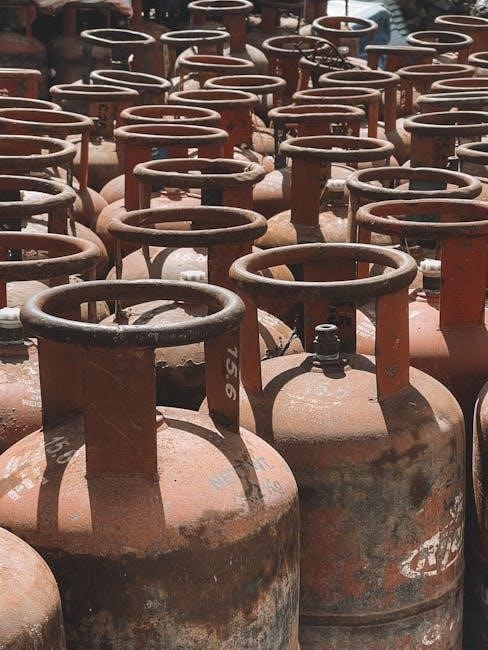
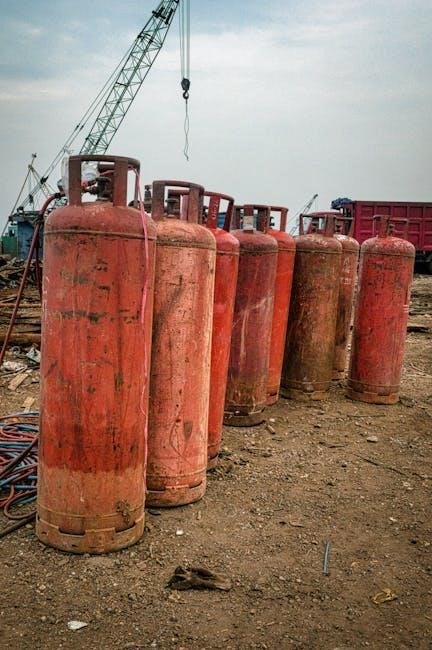
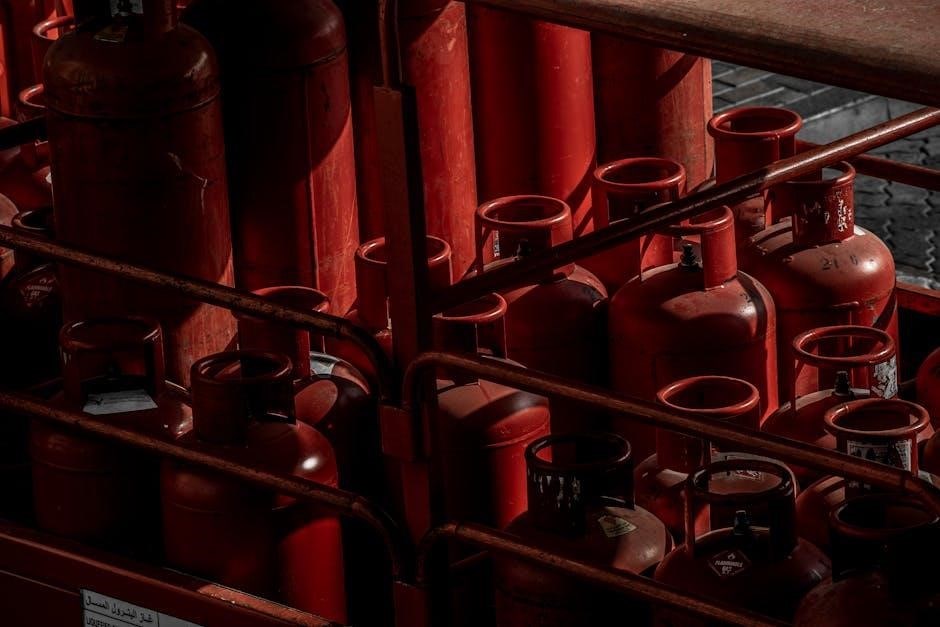
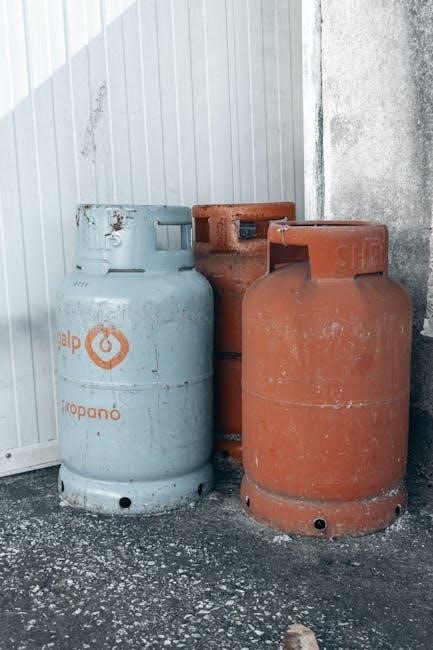
Gas cylinder inspection checklists are critical for safe handling and storage of compressed gases. These forms verify proper labeling, assess for damage like rust, dents, or corrosion, and confirm cylinders are securely upright. A 15-point inspection checklist is readily available, ensuring thorough evaluation;
Regular inspections, particularly during cylinder exchanges or operational changes, are paramount. Checklists also cover protective valve cap security and hose condition for gas cutting sets, encompassing 14 specific inspection points. Utilizing these checklists minimizes risks associated with cylinder failure and promotes a safe working environment.
Key Elements of a Comprehensive Gas Safety Checklist
A robust gas safety checklist must include several key components. Appliance ventilation checks are vital to prevent carbon monoxide buildup, ensuring proper airflow. Thorough flue & chimney inspections identify blockages or damage that could lead to dangerous gas leaks.
Detailed gas leak detection procedures, utilizing appropriate equipment, are essential. Beyond these, checklists should address operational condition changes requiring re-inspection. Employers must ensure employees understand procedures for identifying gas system problems and emergency evacuation protocols, promoting a proactive safety culture.
Appliance Ventilation Checks
Crucially, appliance ventilation checks prevent dangerous carbon monoxide accumulation. A comprehensive checklist verifies unobstructed air inlets and outlets, ensuring adequate combustion air. Inspect for any signs of backdrafting, a serious safety hazard. Confirm proper functioning of fans and ventilation systems, vital for removing exhaust gases.
Regular checks should also assess the integrity of ventilation pathways – ducts, chimneys, and flues – for blockages or damage. Proper ventilation is paramount for safe gas appliance operation, protecting occupants from invisible, odorless, and potentially fatal carbon monoxide poisoning.
Flue & Chimney Inspections
Thorough flue and chimney inspections are essential for preventing carbon monoxide poisoning and fires. Check for blockages caused by debris, bird nests, or creosote buildup. Assess the structural integrity of the flue or chimney, looking for cracks, corrosion, or missing components. Ensure proper sealing and connections to prevent gas leaks.
Regular inspections, ideally annually, should be conducted by a qualified gas engineer. A compromised flue system can allow dangerous gases to enter the home. Prioritize identifying and rectifying any issues promptly to maintain safe and efficient appliance operation, safeguarding against potential hazards.
Gas Leak Detection Procedures
Prompt gas leak detection is critical for safety. Utilize a gas detector, ensuring it’s calibrated and functioning correctly. Regularly check gas connections – pipes, fittings, and appliance connections – for signs of damage or corrosion. If a leak is suspected, immediately shut off the gas supply at the meter.
Never use open flames or electrical switches, as these can ignite the gas. Ventilate the area by opening windows and doors. Contact a qualified gas engineer or the emergency services to investigate and repair the leak. Remember, a faint gas smell should always be treated as a potential hazard.
Specific Checklist: Compressed Gas Cylinder Inspection
A 15-point inspection checklist for compressed gas cylinders is essential for safe handling. Verify cylinder labeling is clear, legible, and accurately identifies the gas content. Thoroughly assess for any damage – rust, dents, corrosion, or visible defects. Ensure the cylinder is securely upright, with a functioning valve and proper safety cap.
Check for leaks around the valve and connections using a suitable leak detection solution. Confirm the cylinder hasn’t exceeded its test date. Document all findings and any corrective actions taken. Regular inspections, as per regulations, are vital for preventing accidents.
Cylinder Labeling Verification
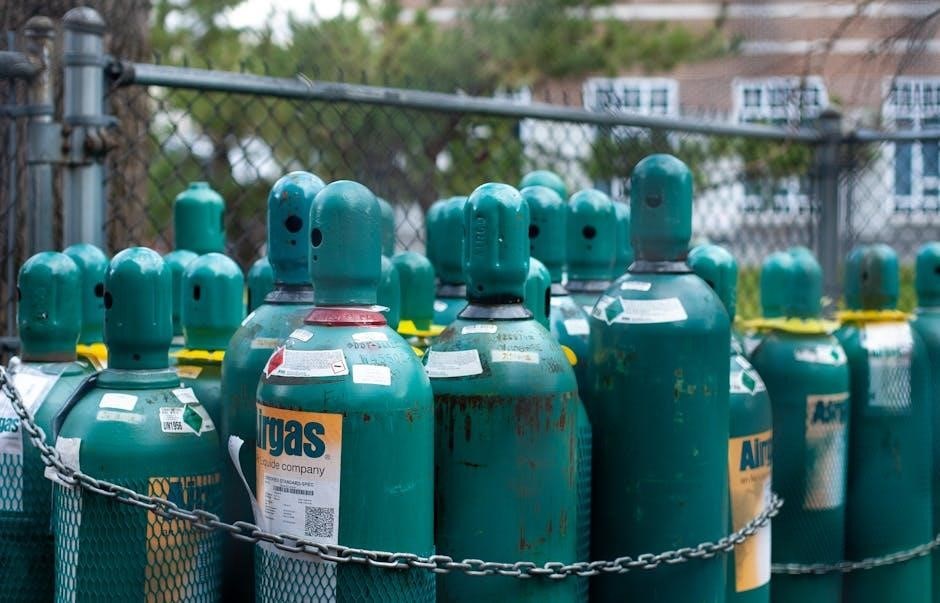
Crucially, verify that each compressed gas cylinder possesses a clearly visible and legible label. This label must accurately identify the specific gas contained within, adhering to standardized naming conventions. Inspect for any signs of damage, fading, or removal of the label – a compromised label presents a significant safety hazard.
Confirm the label includes essential hazard warnings and safety precautions relevant to the gas. Ensure the label complies with relevant regulatory standards and is securely affixed to the cylinder body. Proper labeling is the first line of defense against misidentification and potential accidents.
Damage Assessment (Rust, Dents, Corrosion)
Thoroughly inspect each gas cylinder for any physical damage that could compromise its integrity. Pay close attention to the presence of rust, dents, gouges, or corrosion on the cylinder’s body and valve protection. Even seemingly minor damage can weaken the cylinder’s structure, increasing the risk of rupture or leakage.
Specifically, examine weld seams for cracks or signs of deterioration. If significant corrosion is detected, immediately remove the cylinder from service. Document any observed damage meticulously on the inspection checklist. A damaged cylinder should never be refilled or used until professionally assessed and repaired or decommissioned.
Specific Checklist: Gas Cutting Set Inspection
A comprehensive inspection of gas cutting sets is crucial for preventing accidents. This checklist ensures all components are in safe working order before each use. Verify the cylinder is securely upright and properly restrained to prevent tipping. Inspect hoses for cracks, abrasions, or leaks, ensuring connections are tight and free from damage.
Crucially, confirm protective valve caps are firmly fixed on all cylinders to safeguard against accidental damage to the valves. Check regulators for proper function and calibration. Document all findings on the inspection form, noting any deficiencies requiring immediate correction before operation commences.
Protective Valve Cap Security
Ensuring protective valve caps are firmly secured on all gas cylinders is paramount for safety. These caps shield the delicate valve mechanisms from physical damage, preventing accidental gas release. A damaged valve can lead to uncontrolled leaks, posing a significant fire or explosion hazard.
During inspection, meticulously check that each cap is tightly threaded and properly aligned. Never attempt to operate a gas cutting set with a missing or damaged valve cap. Replace any compromised caps immediately. This simple step dramatically reduces the risk of a catastrophic incident, safeguarding personnel and property.
Hose Condition & Connections
Regularly inspect gas hoses for any signs of wear, cracks, blisters, or abrasions. Even minor damage can compromise the hose’s integrity, leading to dangerous gas leaks. Pay close attention to areas near fittings and bends, as these are common failure points.
Verify all connections are tight and secure, free from corrosion or damage. Use appropriate leak detection fluid to confirm a gas-tight seal at every joint. Replace any hose exhibiting defects immediately; do not attempt repairs. A compromised hose poses a severe safety risk and must be addressed promptly to prevent accidents.
Utilizing Gas Safety Forms & Templates
Leveraging pre-designed gas safety forms and templates streamlines inspections and ensures comprehensive coverage of critical safety aspects. These resources, available as free PDF downloads, provide a structured approach to identifying potential hazards and documenting findings.
Forms encompass various areas, including cylinder inspections, gas cutting set assessments, and routine appliance checks. Utilizing these templates promotes consistency, reduces errors, and facilitates regulatory compliance. Properly completed forms serve as valuable records, demonstrating due diligence and a commitment to maintaining a safe working environment for all personnel involved.
Gas Detector Calibration Logs – Importance & Access
Maintaining accurate gas detector calibration logs is paramount for ensuring reliable performance and worker safety. Regular calibration verifies the detector’s ability to accurately identify hazardous gas concentrations, preventing false negatives or positives.
Free PDF-ready calibration templates are readily available, simplifying the logging process and ensuring all necessary information is captured – dates, readings, technician details, and detector specifics. Accessible logs demonstrate compliance with safety regulations and provide a traceable history of detector performance, crucial for incident investigations and audits.
Confined Space Entry Permits for Gas Work
Gas work within confined spaces presents heightened risks due to potential oxygen deficiency, flammable atmospheres, and toxic gas buildup. A meticulously completed confined space entry permit is therefore non-negotiable.
Free PDF templates streamline this process, ensuring all critical safety checks are documented before, during, and after entry. These permits detail atmospheric testing results, ventilation procedures, rescue plans, and authorized personnel. Proper permitting demonstrates a commitment to safety, protects workers from hazardous conditions, and fulfills regulatory requirements, preventing potentially fatal incidents.
Hot Work Permits & Gas Systems
Performing hot work – welding, cutting, grinding – near gas systems introduces significant ignition risks. A robust hot work permit system is crucial for preventing fires and explosions. Free downloadable PDF templates facilitate a standardized assessment of potential hazards.
These permits mandate pre-work gas leak detection, flammable material removal, fire watch assignments, and availability of appropriate fire suppression equipment. Thorough documentation ensures all precautions are taken, safeguarding personnel and property. Compliance with hot work permit procedures demonstrates a proactive safety culture and minimizes the likelihood of catastrophic events involving gas systems.
Lockout/Tagout (LOTO) Checklists for Gas Isolation
Effective gas system maintenance and repair necessitate complete isolation of gas flow to prevent accidental releases and ignition. Free LOTO checklists provide a systematic approach to de-energizing and isolating gas lines, valves, and equipment.
These checklists detail steps for verifying zero gas pressure, physically disconnecting gas sources, and applying appropriate lockout devices and tags. Proper LOTO procedures protect maintenance personnel from hazardous energy exposure and ensure the system remains safely isolated until work is completed. Downloadable templates streamline the LOTO process, promoting consistent application and minimizing risk.
Take 5 Risk Assessments for Gas Operations
Prior to commencing any gas-related task, a ‘Take 5’ risk assessment is crucial for identifying potential hazards and implementing control measures. Free downloadable templates facilitate a quick, five-step process: identifying the task, hazards, risks, controls, and confirming understanding.
These assessments prompt workers to consider factors like gas leaks, ignition sources, confined spaces, and personal protective equipment (PPE) requirements. Consistent use of Take 5 forms fosters a proactive safety culture, minimizing the likelihood of incidents during routine operations or emergency response. Utilizing these forms ensures a safer working environment.
Job Safety Analyses (JSAs) for Gas Tasks
Comprehensive Job Safety Analyses (JSAs) are essential for detailed hazard identification and risk mitigation in gas operations. Downloadable JSA templates break down each gas-related task into sequential steps, analyzing potential hazards at each stage.
These analyses cover aspects like connecting/disconnecting gas lines, appliance servicing, leak detection, and cylinder handling. JSAs outline necessary precautions, required PPE, and emergency procedures. Regularly reviewing and updating JSAs ensures they reflect current work practices and address emerging risks, promoting a safer and more controlled work environment for all personnel involved.
Regulatory Compliance & Gas Safety (Residential Tenancies Regulations)
Adherence to Residential Tenancies Regulations is paramount for landlords and property managers. Free downloadable checklists ensure compliance with standards like the 2021 and 2012 Residential Tenancies (Rooming House Standards) Regulations.
These regulations mandate annual gas safety inspections conducted by qualified gas engineers. Documentation, including inspection reports and maintenance records, must be readily available. Utilizing provided templates simplifies record-keeping and demonstrates due diligence. Compliance minimizes legal risks and, most importantly, safeguards tenant safety by proactively identifying and rectifying potential gas hazards within rental properties.

Annual Gas Safety Inspections – What to Expect
Expect a thorough assessment of all gas appliances and installations by a Gas Safe registered engineer. Free checklists aid in understanding the inspection process, covering appliance ventilation, flue integrity, and gas leak detection.
The engineer will visually inspect appliances, test for carbon monoxide, and verify proper combustion. Detailed reports documenting findings and any necessary repairs will be provided. Regular inspections, ideally conducted annually or after operational changes, are crucial for identifying potential hazards. Utilizing downloadable forms ensures consistent inspection criteria and facilitates record-keeping for regulatory compliance and tenant safety.
Cylinder Exchange Safety Checklist
Prioritize safety during cylinder swaps with a dedicated checklist. Free downloadable templates ensure each exchange adheres to best practices, minimizing risks. Verify cylinder labeling for correct gas type and expiry dates.
Inspect for any visible damage – rust, dents, or corrosion – before accepting a new cylinder. Confirm secure valve connections and proper sealing to prevent leaks. This checklist should be conducted consistently, alongside annual gas safety inspections, or whenever operational conditions change. Thorough documentation using provided forms supports regulatory compliance and demonstrates a commitment to safety.
Operational Condition Changes & Re-Inspection
Any alteration to gas systems or their operating environment necessitates a comprehensive re-inspection. Free checklists facilitate this process, ensuring continued safety and compliance. Changes include alterations to ventilation, appliance relocation, or modifications to gas supply lines.
Document all changes meticulously using provided forms, detailing the scope of work and inspection findings. Re-inspection confirms the system remains safe and functions correctly under the new conditions. Regular reviews, alongside annual safety checks, are crucial for maintaining a secure gas environment and adhering to Residential Tenancies Regulations.
Where to Find Reliable Free PDF Downloads
Locating trustworthy gas safety checklists in PDF format requires careful sourcing. Numerous online platforms offer these resources, but verifying their accuracy and compliance is paramount. PrintFriendly provides access to the Gas Safety Checklist and Inspection Template.
Ensure the downloaded forms align with current regulations, such as the Residential Tenancies Regulations 2021 and 2012. Prioritize resources from reputable organizations and industry bodies. Regularly updated checklists are essential, reflecting the latest safety standards and best practices for gas operations and cylinder exchange procedures.
Importance of Qualified Gas Engineers
While free downloadable checklists are valuable tools, they are not a substitute for the expertise of a qualified gas engineer. These professionals possess the training and experience to accurately assess gas safety, identify potential hazards, and perform necessary repairs.
Employers must ensure employees understand health and safety procedures related to gas systems. Annual gas safety inspections, conducted by certified engineers, are crucial for maintaining a safe environment. Relying solely on checklists without professional oversight can lead to overlooked issues and potentially dangerous situations, emphasizing the need for skilled technicians.
Gas safety is paramount, demanding a proactive approach encompassing regular inspections, diligent checklist utilization, and, crucially, the involvement of qualified gas engineers. The free PDF resources detailed – forms, calibration logs, and permit templates – empower individuals and organizations to enhance safety protocols.
Remember, checklists are aids, not replacements for professional expertise. Consistent application of these resources, alongside adherence to regulations like the Residential Tenancies Regulations, fosters a secure environment. Prioritizing gas safety protects lives and property, ensuring responsible operation and maintenance of gas systems.